 gdz.by


Номер 2, страница 34 - гдз по английскому языку 10 класс учебник Юхнель, Наумова
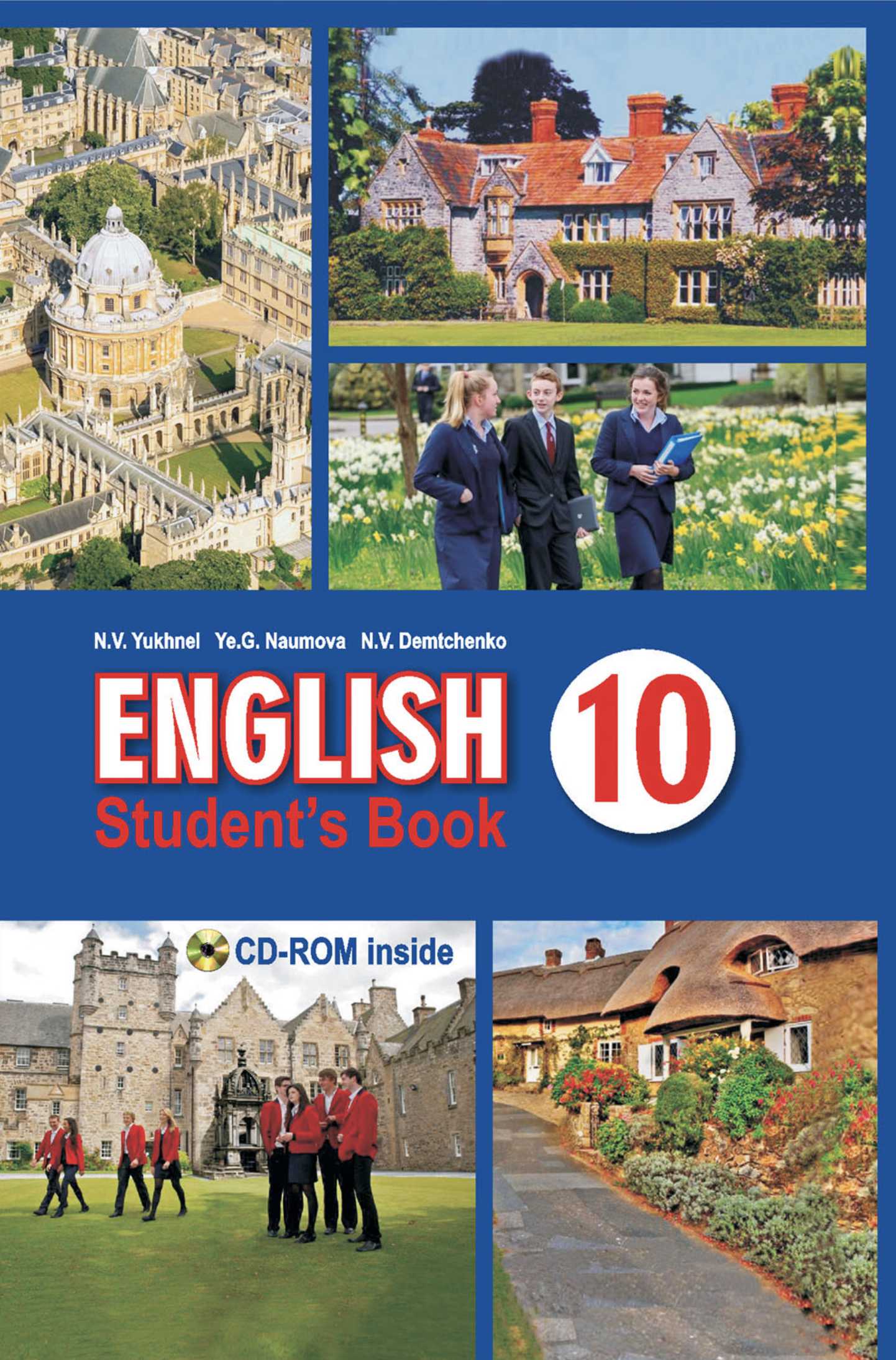
Авторы: Юхнель Н. В., Наумова Е. Г., Демченко Н. В.
Тип: Student's book (Учебник)
Издательство: Вышэйшая школа
Год издания: 2019 - 2025
Цвет обложки: синий
ISBN: 978-985-06-3097-1, 978-985-06-3098-8 (отд. изд)
Допущено Министерством образования Республики Беларусь
Популярные ГДЗ в 10 классе


Unit 2. Education. Lesson 1. School year around the world - номер 2, страница 34.
 №1
№1
№2 (с. 34)
Условие. №2 (с. 34)
скриншот условия


2. a)
Answer the questions.
At what age do schoolchildren start school in Belarus?
At what age do they finish school?
How long does a school year last in Belarus?
How many terms and vacations do Belarusian schoolchildren have?
Do you know how long the school year lasts in other countries?
b) Scan the articles and answer the questions above about school year in Australia, China, Iran, Japan and Russia.
Australia
School year in Australia lasts for 200 days from late January to late November. Since Australia is in the southern
hemisphere, it is summer there while it’s winter in the
northern hemisphere. Summer vacation for Australian stu-
dents is from December to late January. Their school year is
divided into four terms, 9 to
11 weeks each. Students have
two weeks of vacation between
each term. The typical school
day is from 9 a.m. to 3:30 p.m.,
and lunch is eaten at school.
Students must attend school
for at least nine years. The
average class size is 18 students. There are about six com-
puters per classroom.
Primary school is from year 1 to year 6; secondary school
is from year 7 to year 12. From year one to year six, stu-
dents spend about 12 hours a week working on Maths and
English. Many schools integrate subjects, meaning they
combine two or more academic subjects into one. For in-
stance, a class is studying coral reefs. Usually the students
study coral reefs only in Science class. An integrated meth-
od includes Maths and Language. Students would then use
that information to write a report about coral reefs.
China
Because China is in the northern
hemisphere, the school year
there typically is from the be-
ginning of September to mid-July. Summer vacation is usually
spent in summer classes or
studying for entrance exams.
The average school day runs
from 7:30 a.m. to 5 p.m., with a two-hour lunch break. For
mal education in China lasts for nine years. China provides all
students with uniforms, but does not require they be worn.
There are about 21 students in each classroom. All
Chinese students study from textbooks that emphasize China’s
unity, past and present accomplishments, and its future.
Students in China also have great access to computer tech-
nology, with 1 computer for 2 students. Chinese language
and Maths are tested at the end of each year. Maths is typi-
cally taught by drill, which means students are repeatedly
taught the basics of math until they learn it well. Education
in China since the turn of the 21st century has been undergo-
ing reform, which will bring group activities and other meth-
ods to introduce creativity and innovation in the classroom.
Iran
Iran is another nation in the
northern hemisphere with a school
year similar to European coun-
tries. Students in Iran go to school
for 10 months a year, or about
200 active days, from September
to June. The average number of
students per classroom is 27. From ages 5 to 18, boys and
girls are educated separately. Girls typically have female
teachers, while boys are taught by men. Religious study in
Iran is required. Men and women do study together at the
university level. Beginning at age 5, all students must pass a
yearly exam in order to move to the next grade level. Stu-
dents in primary school learn about Hygiene, basic Maths
and Science, Reading, and study skills. Many schools are far
from big centres or do not have the money for such things as
libraries. To help with this problem, mobile libraries move
within the country to bring books to more than 4,000 chil-
dren in 40 different schools. Each bus has two librarians and
around 3,000 books. Students are very happy when they hear
the library bus coming their way.
Japan
Most Japanese schools run on a
trimester schedule. The aca-
demic year begins in April and
ends the following March, with
breaks for summer, winter and
spring separating the three
terms. Uniforms are required
and there are extensive rules for hair styles, shoes, socks,
skirt length, make-up, accessories, and more.
In each classroom, the average number of students is 29
with six computers to share. Students in Japan study aca-
demic subjects, such as Japanese, Maths, Reading, Social
studies, Music, Art, and they also receive Moral education.
Moral education involves teaching students about health and
safety, living a disciplined life, courtesy, understanding and
confidence, public manners, and environmental awareness.
Russia
The school year in Russia runs
from the first of September to
late May. Students attend classes
from 8:30 a.m. to 3 p.m. No uni-
forms are required. Students re-
main together in the same class
from grades one to nine. Each
classroom has about 25 students.
Ninth grade is the last year of compulsory education.
After grade 9, a student can enter a college or a technical
school for vocational education.
Russian high school includes grades 10 and 11 and is a pre-
paratory stage for a university. Students decide on the future
profession and focus on the subjects necessary for the exams.
After Mark Hughes
c) Read the articles again and fill in the table in your exercise-book.
| School year | School day | Class size | Uniform | |
|---|---|---|---|---|
| Australia | January – November | 9 a.m. to 3:30 p.m. | 18 stu- dents | No info |
| China | ||||
| Iran | ||||
| Japan | ||||
| Russia |
d) Choose one article which surprised you most, read it again and tell your partner why you found this text interesting.
Решение. №2 (с. 34)


Решение 2. №2 (с. 34)


Решение 3. №2 (с. 34)
c) Прочитайте статьи еще раз и заполните таблицу в своей тетради.
Ответ:
| School year | School day | Class size | Uniform | |
| Australia | January - November | 9 a.m. to 3:30 p.m. | 18 students | No info |
| China | September - July | 7:30 a.m. to 5 p.m. | 21 students | Provided, but not required |
| Iran | September - June | No info | 27 students | No info |
| Japan | April - March | No info | 29 students | Required |
| Russia | September - May | 8:30 a.m. to 3 p.m. | 25 students | Not required |
Перевод:
| Учебный год | Учебный день | Размер класса | Школьная форма | |
| Австралия | Январь - Ноябрь | с 9:00 до 15:30 | 18 учеников | Нет информации |
| Китай | Сентябрь - Июль | с 7:30 до 17:00 | 21 ученик | Предоставляется, но не обязательна |
| Иран | Сентябрь - Июнь | Нет информации | 27 учеников | Нет информации |
| Япония | Апрель - Март | Нет информации | 29 учеников | Обязательна |
| Россия | Сентябрь - Май | с 8:30 до 15:00 | 25 учеников | Не обязательна |
Другие задания:

Помогло решение? Оставьте отзыв в комментариях ниже.
Присоединяйтесь к Телеграм-группе @gdz_by_belarus
ПрисоединитьсяМы подготовили для вас ответ c подробным объяснением домашего задания по английскому языку за 10 класс, для упражнения номер 2 расположенного на странице 34 к Учебник (Student's book) 2019 года издания для учащихся школ и гимназий.
Теперь на нашем сайте ГДЗ.ТОП вы всегда легко и бесплатно найдёте условие с правильным ответом на вопрос «Как решить ДЗ» и «Как сделать» задание по английскому языку к упражнению №2 (с. 34), авторов: Юхнель (Наталья Валентиновна), Наумова (Елена Георгиевна), Демченко (Наталья Валентиновна), учебного пособия издательства Вышэйшая школа.