 gdz.by


Номер 2, страница 272 - гдз по английскому языку 10 класс учебник Юхнель, Наумова
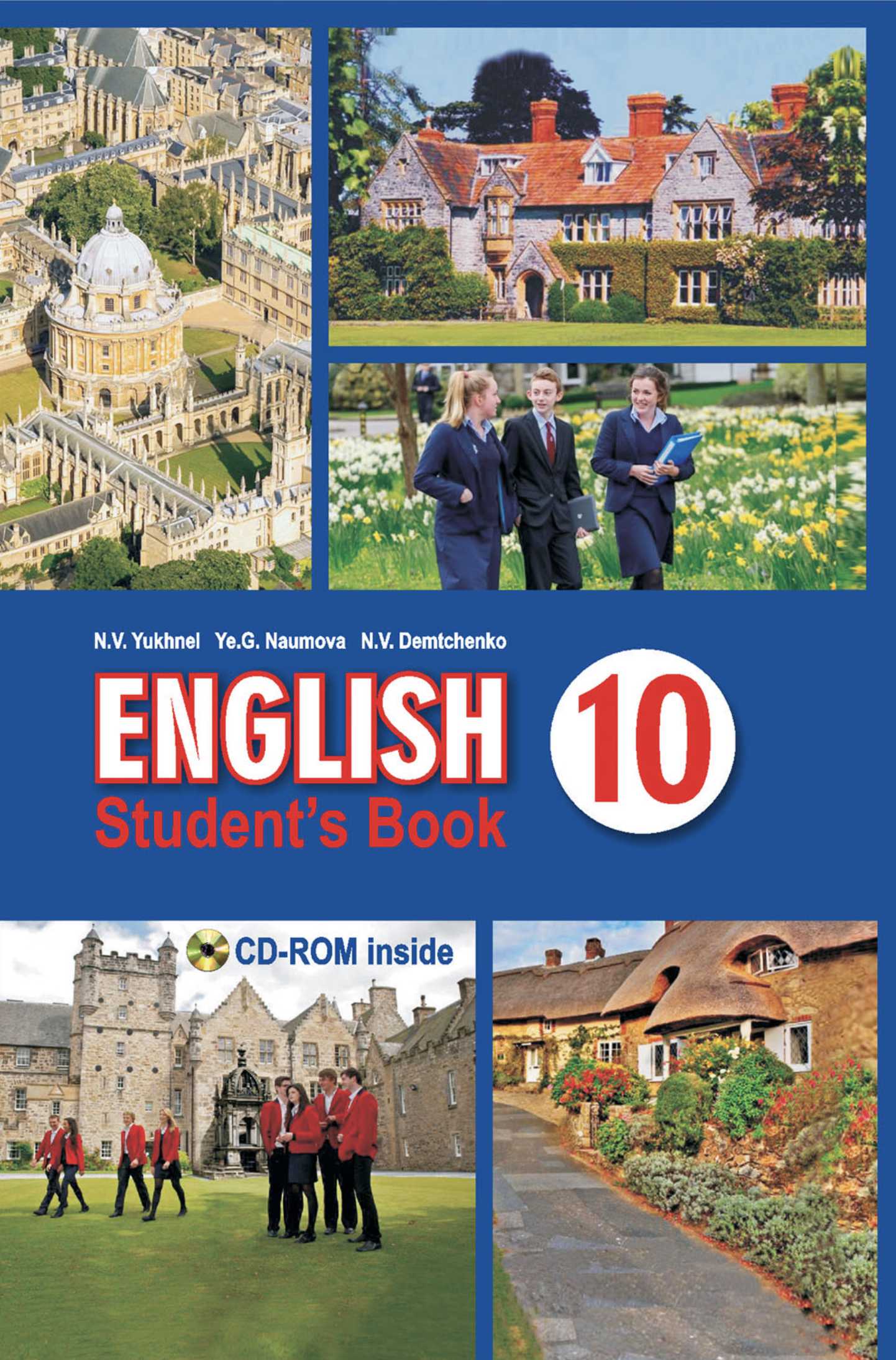
Авторы: Юхнель Н. В., Наумова Е. Г., Демченко Н. В.
Тип: Student's book (Учебник)
Издательство: Вышэйшая школа
Год издания: 2019 - 2025
Цвет обложки: синий
ISBN: 978-985-06-3097-1, 978-985-06-3098-8 (отд. изд)
Допущено Министерством образования Республики Беларусь
Популярные ГДЗ в 10 классе








Unit 9. News from Belarus. Lesson 6. Houses - номер 2, страница 272.
 №1
№1
№2 (с. 272)
Условие. №2 (с. 272)
скриншот условия
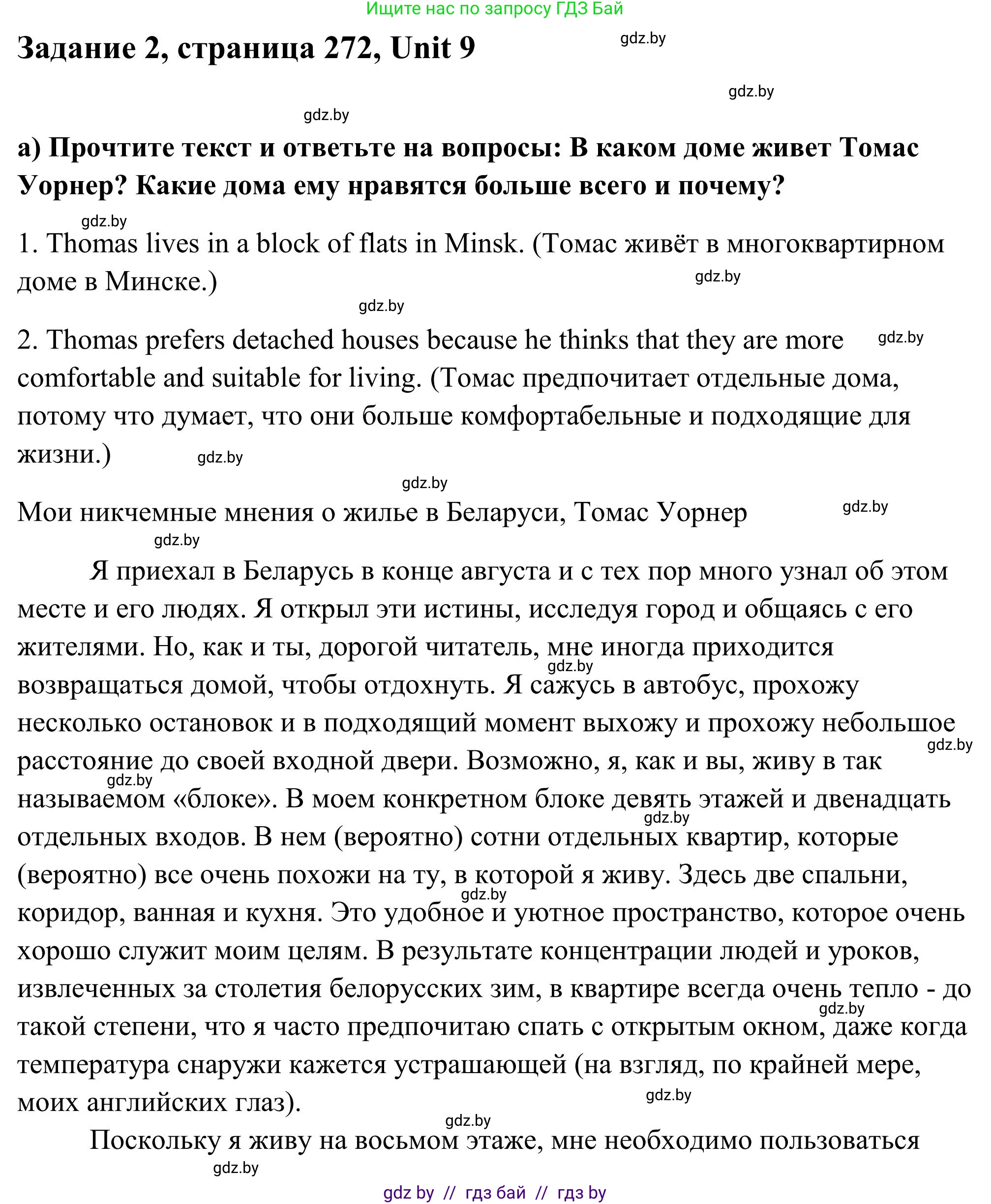
2. a) Read the text and answer the questions: What kind of house does Thomas Warner live in? What houses does he like most and why?
b) Read the text again and say what unexpected problems Thomas has because he is not accustomed to living in a block of flats.
My Worthless Opinions About Housing in Belarus
By Thomas Warner
I arrived in Belarus at the end of August, and have since learned many things about the place and its people. I have discovered these truths by exploring the city and by interacting with its inhabitants. But like you, dear reader, I must sometimes return home to rest. So I get on the bus, travel a few stops and at the appropriate moment I get off and walk the short distance to my front door. Perhaps also like you, I live in what is referred to as a 'block'. My particular block has nine floors and twelve separate entrances. It (probably) contains hundreds of individual flats, which are (probably) all very similar to the one that I live in. There are two bedrooms, a hall, a bathroom and a kitchen. It is a comfortable and cosy arrangement, and serves
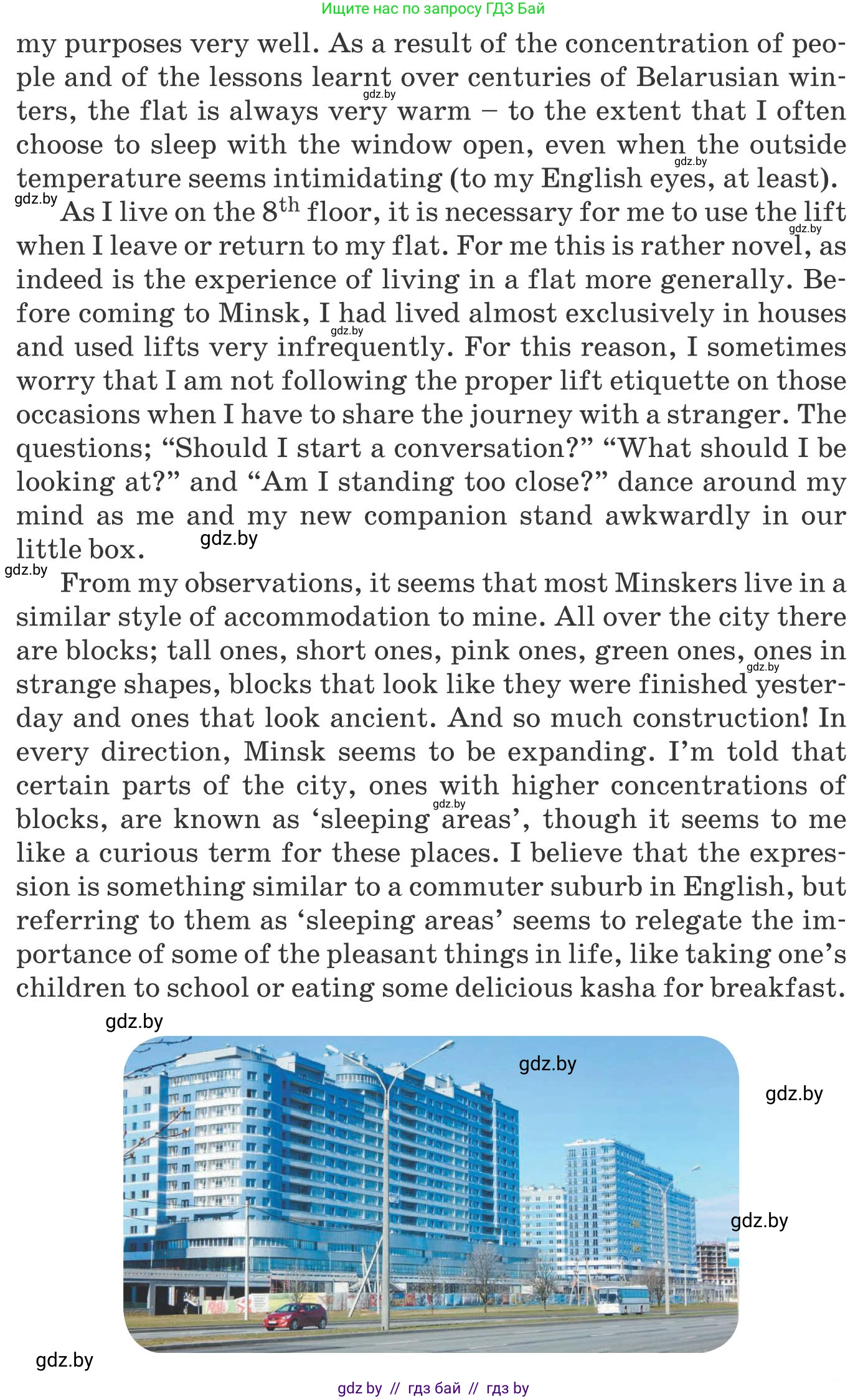
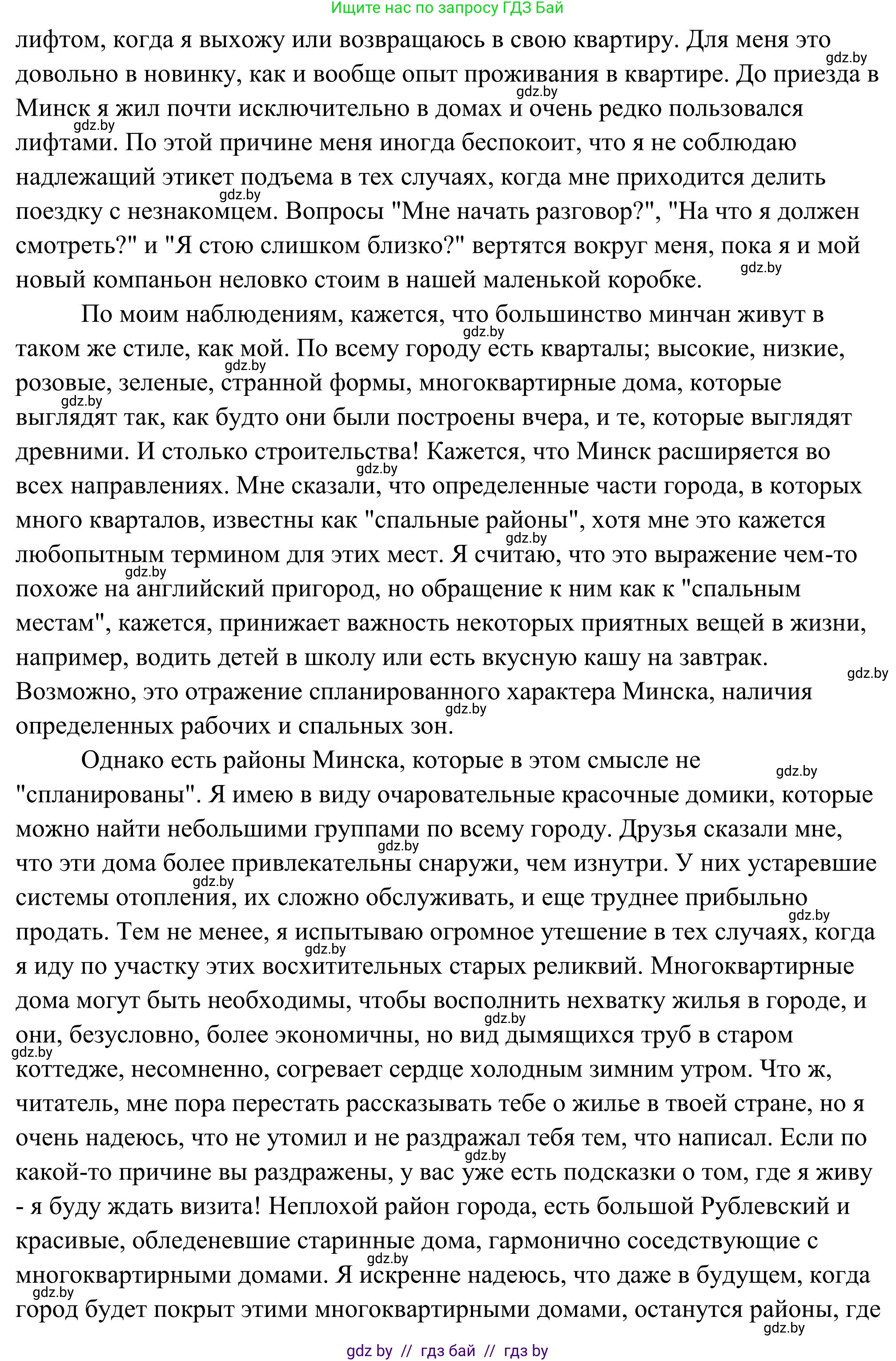
my purposes very well. As a result of the concentration of people and of the lessons learnt over centuries of Belarusian winters, the flat is always very warm – to the extent that I often choose to sleep with the window open, even when the outside temperature seems intimidating (to my English eyes, at least). As I live on the 8th floor, it is necessary for me to use the lift when I leave or return to my flat. For me this is rather novel, as indeed is the experience of living in a flat more generally. Before coming to Minsk, I had lived almost exclusively in houses and used lifts very infrequently. For this reason, I sometimes worry that I am not following the proper lift etiquette on those occasions when I have to share the journey with a stranger. The questions: “Should I start a conversation?” “What should I be looking at?” and “Am I standing too close?” dance around my mind as me and my new companion stand awkwardly in our little box.
From my observations, it seems that most Minskers live in a similar style of accommodation to mine. All over the city there are blocks; tall ones, short ones, pink ones, green ones, ones in strange shapes, blocks that look like they were finished yesterday and ones that look ancient. And so much construction! In every direction, Minsk seems to be expanding. I’m told that certain parts of the city, ones with higher concentrations of blocks, are known as ‘sleeping areas’, though it seems to me like a curious term for these places. I believe that the expression is something similar to a ‘commuter suburb’ in English, but referring to them as ‘sleeping areas’ seems to relegate the importance of some of the pleasant things in life, like taking one’s children to school or eating some delicious kasha for breakfast.
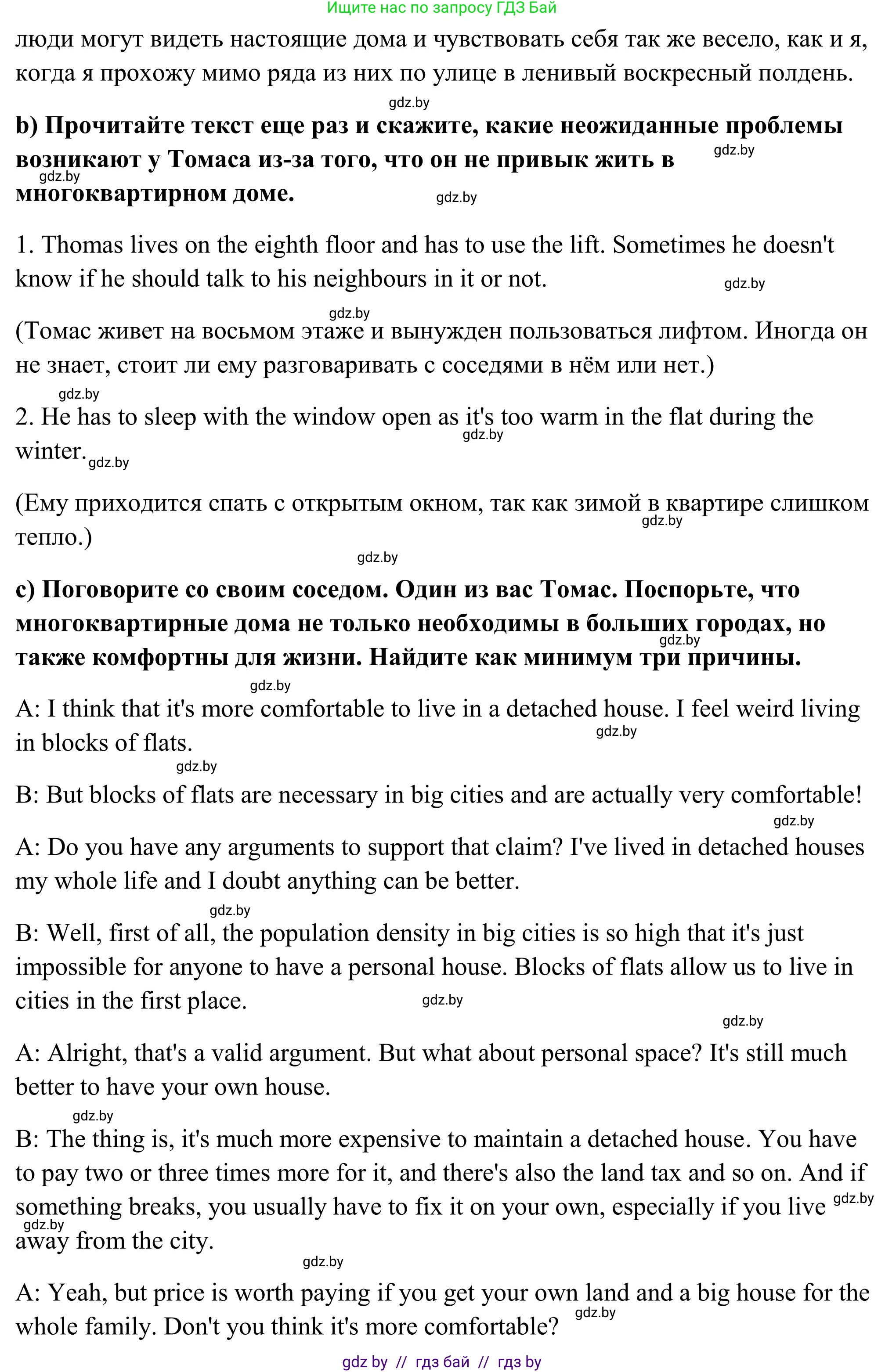
Perhaps it is a reflection of the planned nature of Minsk, that there are specific working and sleeping areas. There are areas of Minsk however, which are not ‘planned’ in that sense. I am referring to the charming, colourful little houses which can be found clustered in small groups all around the city. I have been told by friends that these houses are rather more attractive from the outside, than they are from the inside. They have antiquated heating systems, are difficult to maintain and are even more difficult to sell at a profit. Nonetheless, I feel a great sense of comfort on those occasions that I find myself walking through a patch of these delightful old relics. Blocks may be necessary to fulfil the city’s housing shortage, and they’re certainly more economical – but the sight of smoking chimneys on an old cottage surely does more to warm the heart on a cold winter’s morning. Well, reader, it’s time for me to stop telling you about housing in your own country, but I do hope I haven’t bored or annoyed you with anything I’ve written. If for some reason you are annoyed, you already have some clues about where I live – I shall expect a visit! It’s not a bad area of the city, there’s a big Rublyovski and there are beautiful, icicled old houses sitting harmoniously next to the apartment blocks. I sincerely hope that even in the future, when the city is covered in these blocks, that there are still some areas where people can see real houses and can feel as jolly as I do when I’m strolling past a row of them on a lazy Sunday afternoon.
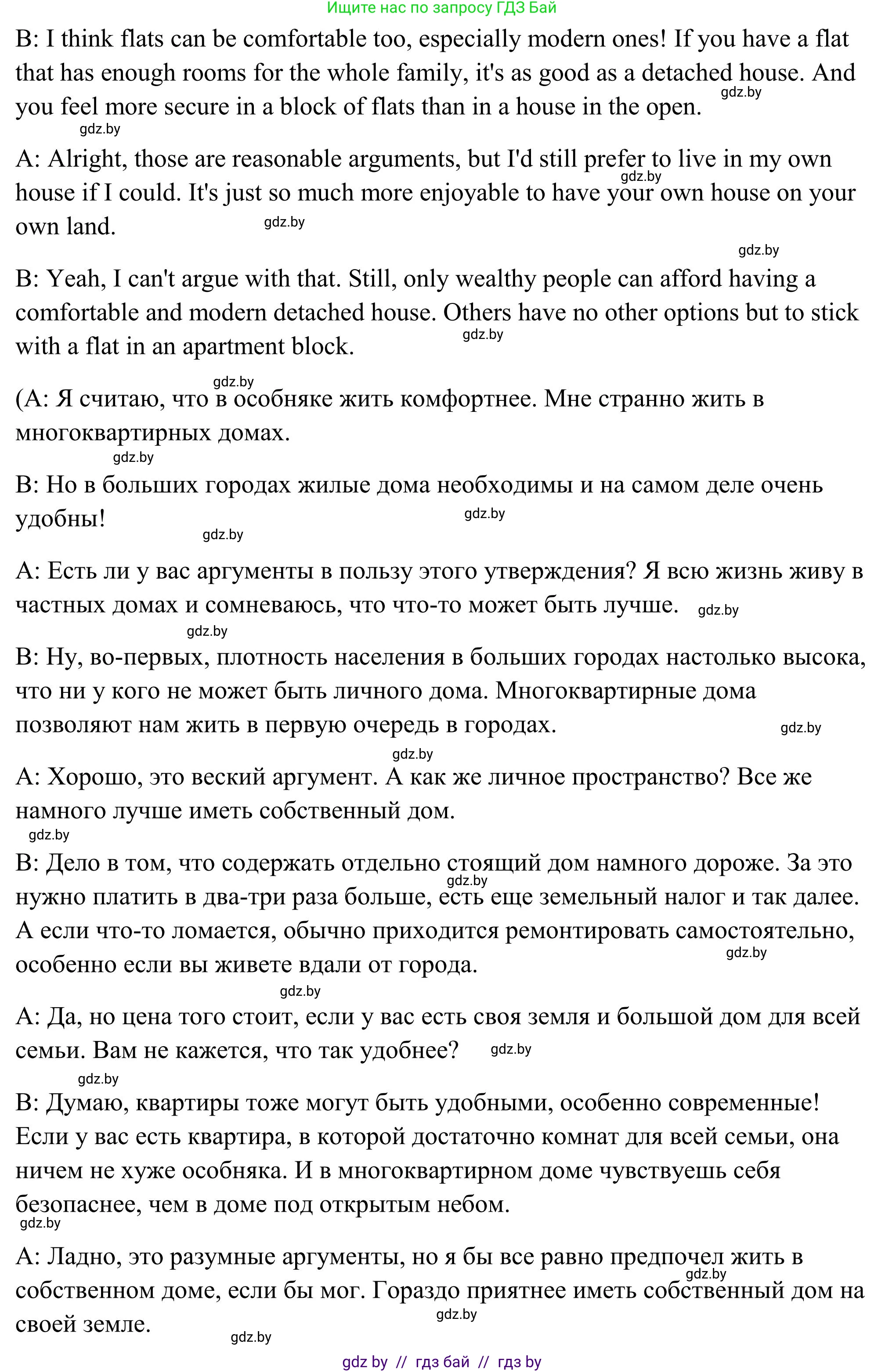
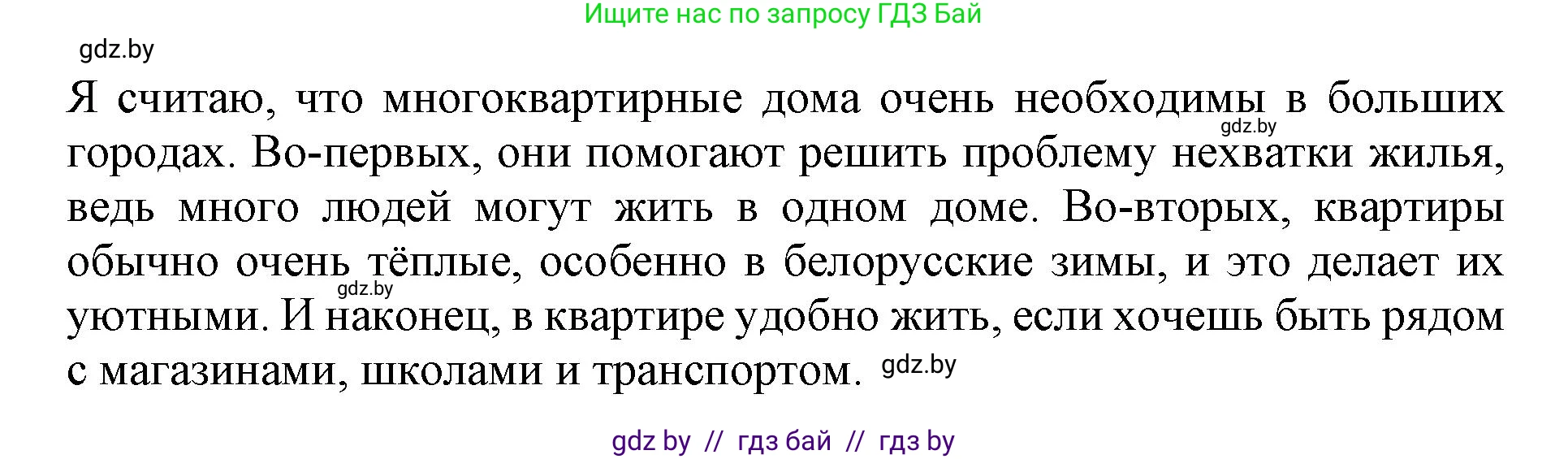
c) Talk to your partner. One of your friends is Thomas. Argue that blocks of flats are not only necessary in big cities but also comfortable to live in. Find at least three reasons.
Решение. №2 (с. 272)

Решение 2. №2 (с. 272)
Решение 3. №2 (с. 272)
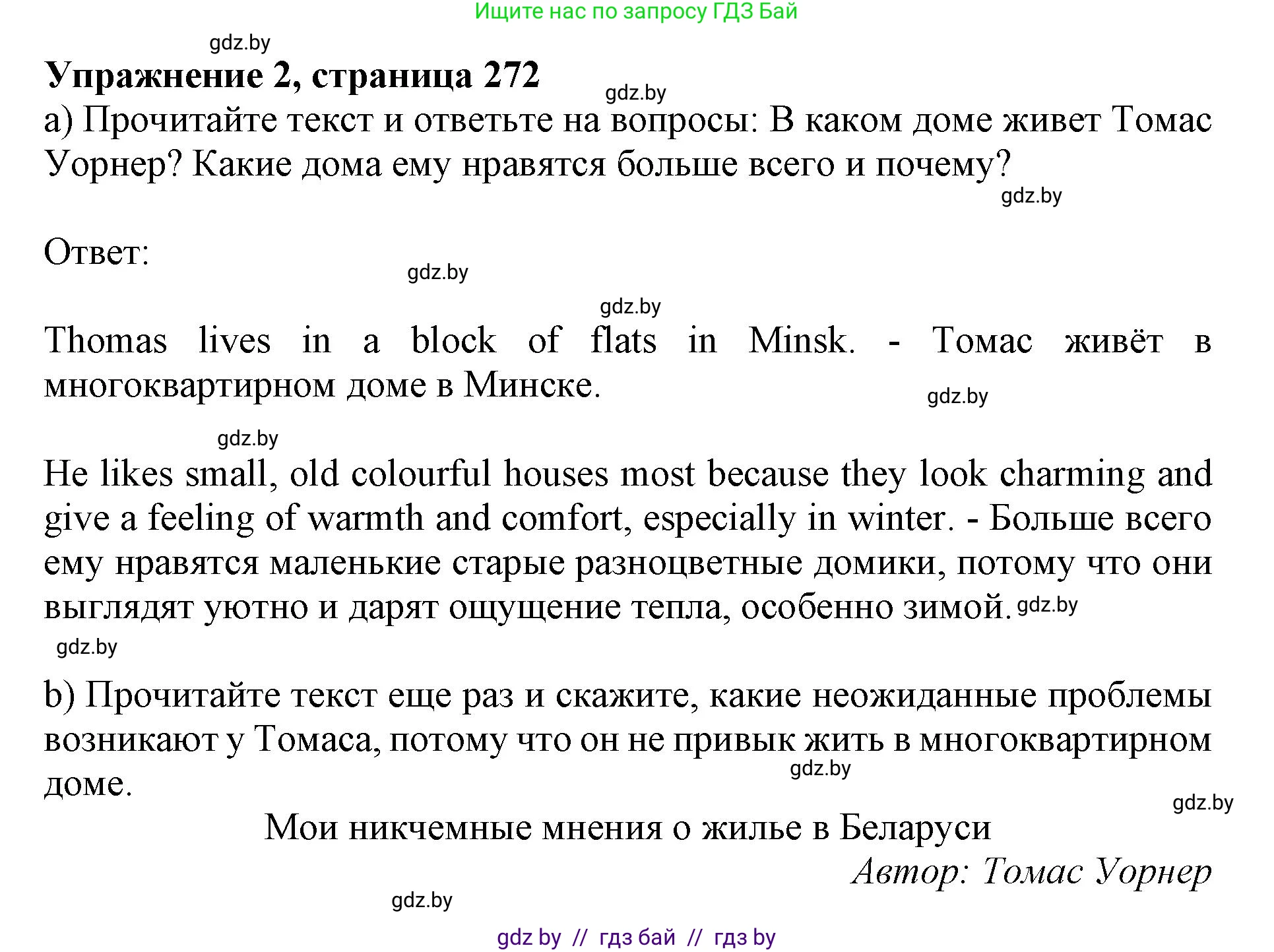
2. a) Прочитайте текст и ответьте на вопросы: В каком доме живёт Томас Уорнер? Какие дома ему нравятся больше всего и почему?
Ответ: Thomas Warner lives in a flat in a nine-floor block of flats. He likes the charming, colourful little houses (old cottages) the most, because he feels a great sense of comfort when walking among them, and he finds the sight of them heart-warming.
Перевод: Томас Уорнер живёт в квартире в девятиэтажном многоквартирном доме. Больше всего ему нравятся очаровательные, красочные домики (старые коттеджи), потому что он испытывает большое чувство уюта, прогуливаясь среди них, и считает их вид согревающим душу.
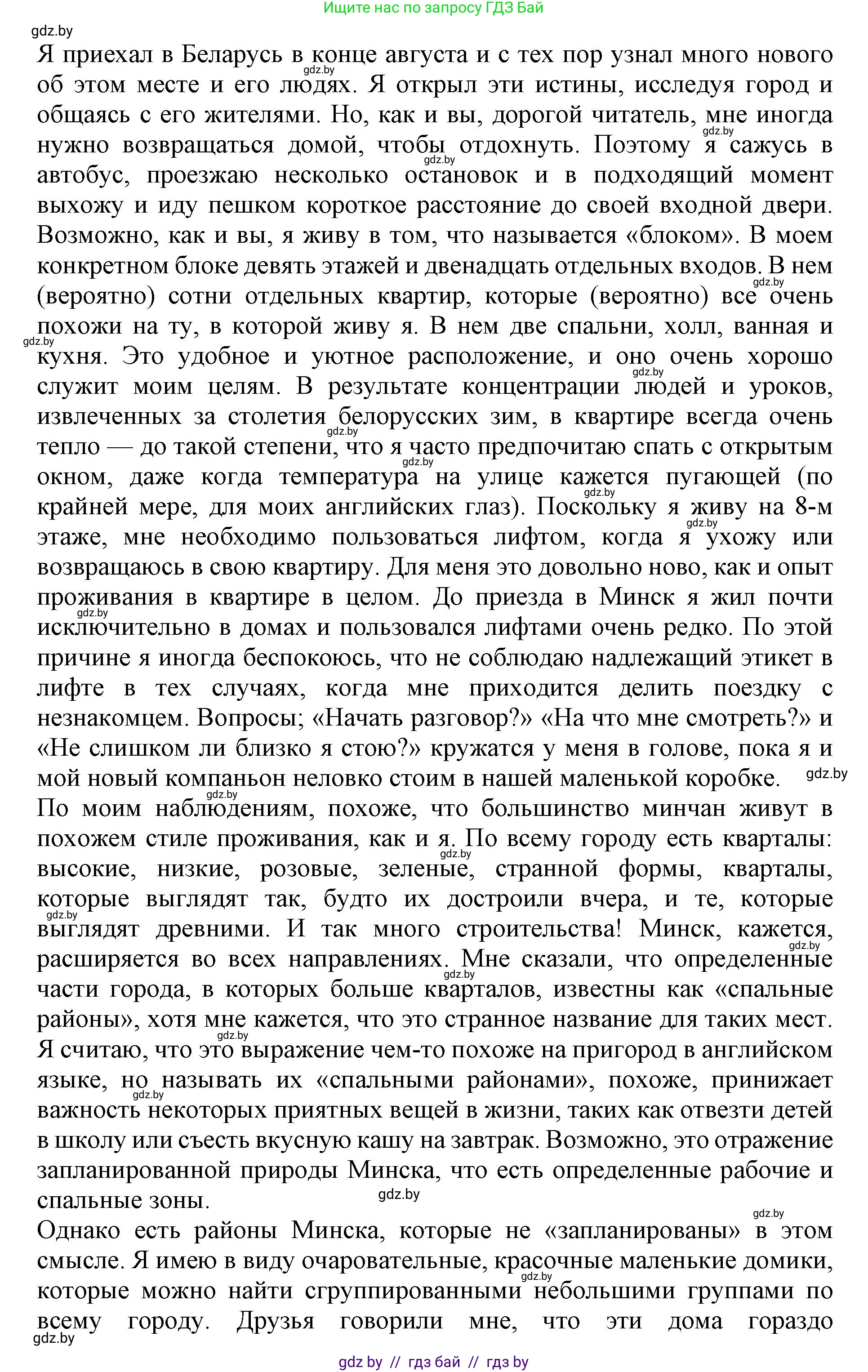
2. b) Прочитайте текст ещё раз и скажите, с какими неожиданными проблемами сталкивается Томас, потому что он не привык жить в многоквартирном доме.
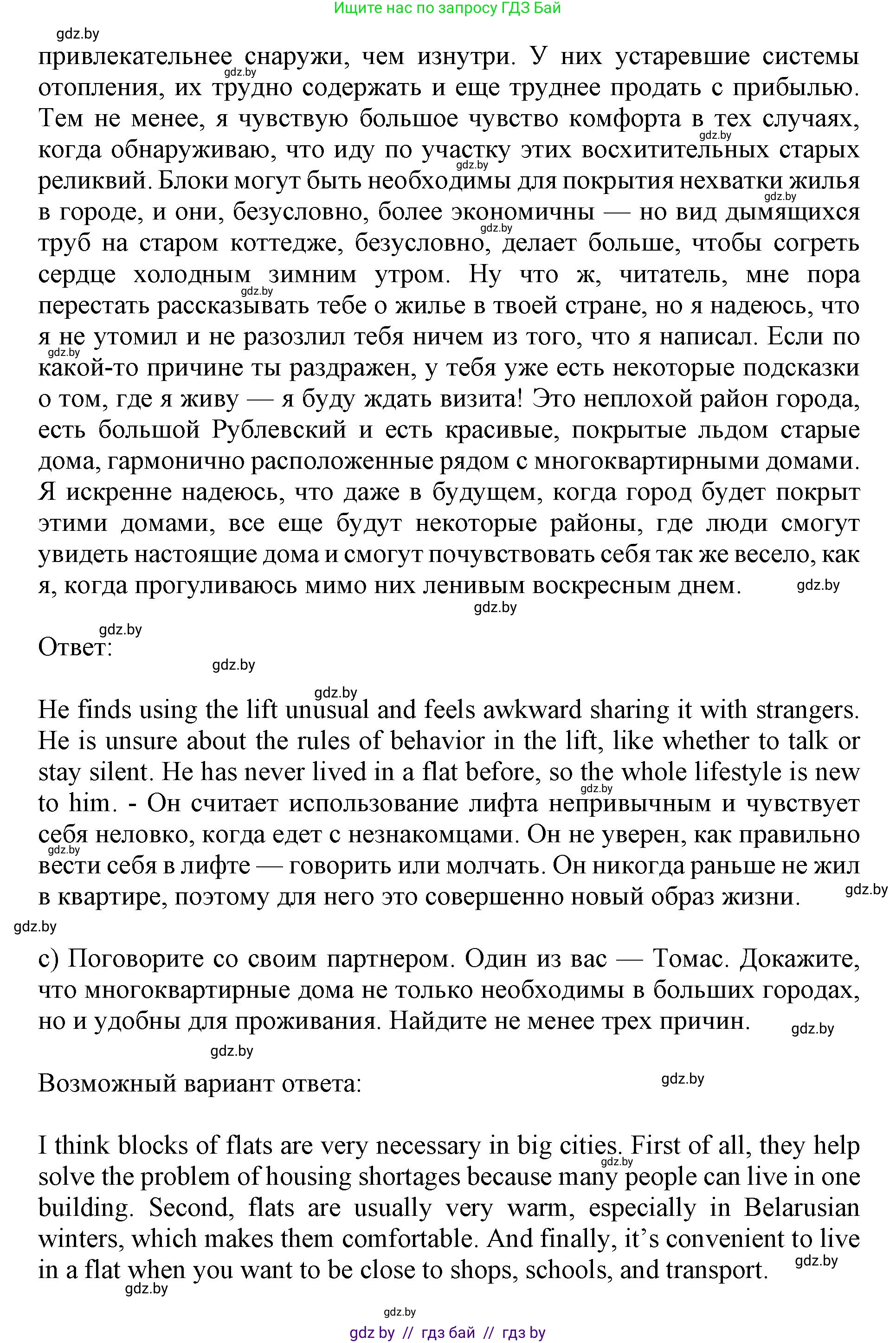
Ответ: The unexpected problem Thomas has is dealing with lift etiquette. Since he is not used to living in a block of flats and using a lift frequently, he worries about the proper way to behave when sharing it with a stranger. He wonders about things like: “Should I start a conversation?”, “What should I be looking at?” and “Am I standing too close?”.
Перевод: Неожиданная проблема, с которой сталкивается Томас, — это соблюдение этикета в лифте. Поскольку он не привык жить в многоквартирном доме и часто пользоваться лифтом, он беспокоится о том, как правильно вести себя, когда приходится ехать в нём с незнакомцем. Он задаётся такими вопросами, как: «Стоит ли мне начинать разговор?», «На что мне смотреть?» и «Не слишком ли близко я стою?».
Другие задания:

Помогло решение? Оставьте отзыв в комментариях ниже.
Присоединяйтесь к Телеграм-группе @gdz_by_belarus
ПрисоединитьсяМы подготовили для вас ответ c подробным объяснением домашего задания по английскому языку за 10 класс, для упражнения номер 2 расположенного на странице 272 к Учебник (Student's book) 2019 года издания для учащихся школ и гимназий.
Теперь на нашем сайте ГДЗ.ТОП вы всегда легко и бесплатно найдёте условие с правильным ответом на вопрос «Как решить ДЗ» и «Как сделать» задание по английскому языку к упражнению №2 (с. 272), авторов: Юхнель (Наталья Валентиновна), Наумова (Елена Георгиевна), Демченко (Наталья Валентиновна), учебного пособия издательства Вышэйшая школа.