 gdz.by


Номер 3, страница 152, часть 2 - гдз по английскому языку 10 класс учебник Демченко, Юхнель
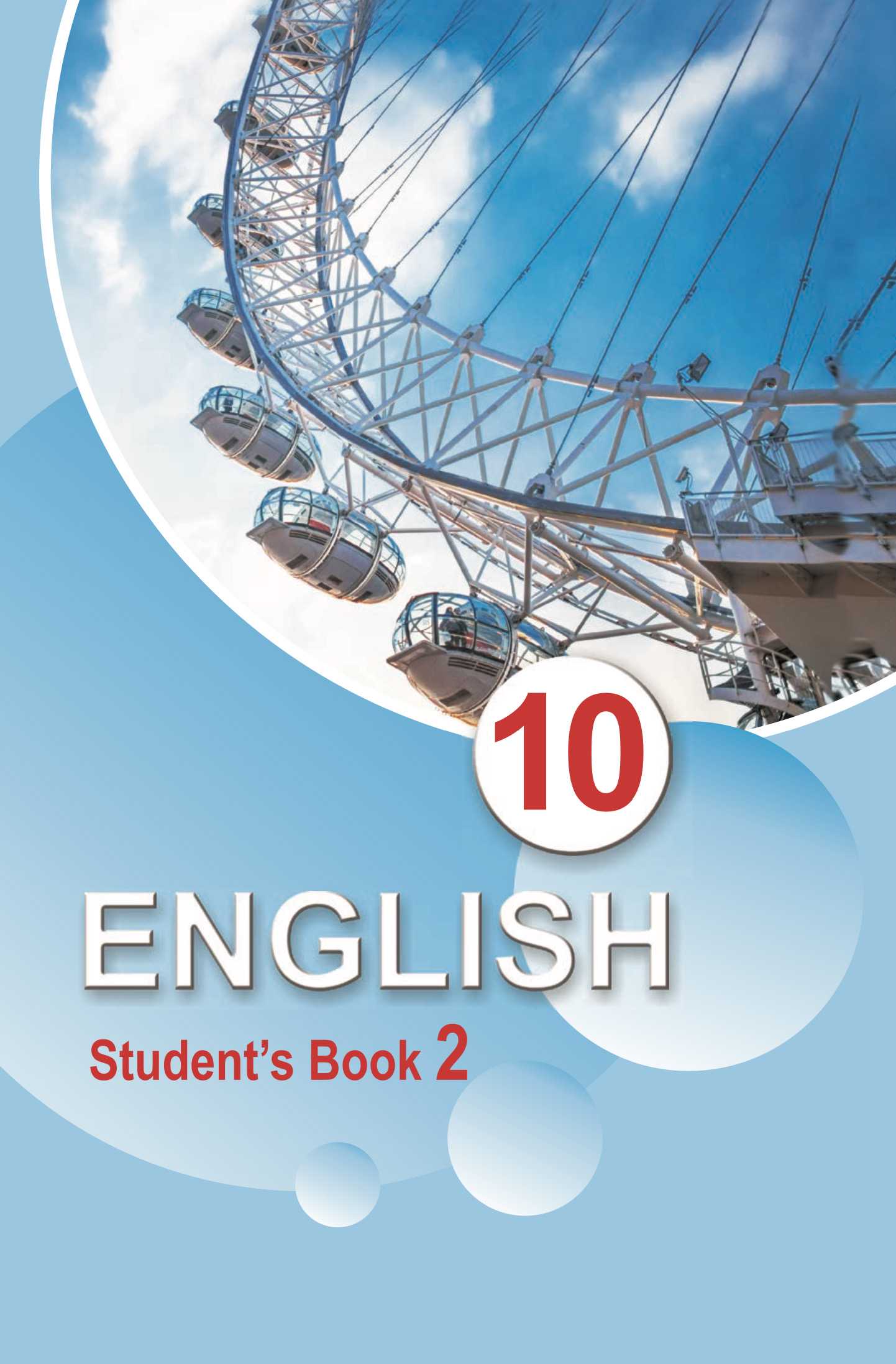
Авторы: Демченко Н. В., Юхнель Н. В., Севрюкова Т. Ю., Бушуева Э. В., Лапицкая Л. М.
Тип: Student's book (Учебник)
Издательство: Вышэйшая школа
Год издания: 2021 - 2025
Уровень обучения: повышенный
Часть: 2
Цвет обложки: голубой
Допущено Министерством образования Республики Беларусь
Популярные ГДЗ в 10 классе



Часть 2. Unit 8. Mass media. Lesson 7. Informed or misinformed? - номер 3, страница 152.
 №2 (a, b)
№3 (с. 152)
Условие. №3 (с. 152)
скриншот условия


3. Read the following editorial and evaluate it from the point of view of high journalistic standards. Work in pairs or groups, and then check the answers with the class.
a. First read the title and answer:
What do you already know about the topic before reading the article?
To heal the Earth, put plastic⁴ in its place
People still discard far more plastic than they recycle. Tens of thousands of volunteers in California gather regularly at local beach¹ and coastal cleanups². These efforts prevent increasing the amount of marine debris. They also help heighten³ public understanding of the importance of keeping the beaches clean and healthy. But they cannot eliminate⁴ the source of plastic pollution⁵. Addressing the problem at its source will be a major step toward lowering the high costs of dealing with this waste⁶.
The analysis [ə'nælәsɪs] by the Natural Resources Defence Council⁷ of 95 California cities found, that these communities are spending significant sums – a total of nearly $500 million annually⁸ – cleaning up litter⁹ and preventing trash from entering waterways. The Top 3 are Los Angeles ($36.3 million), San Diego ($14 million) and Long Beach ($13 million).
It’s a huge waste of money that could be invested in other public services such as schools, firefighting, police departments or improving public parks and other open spaces¹⁰.
This year, the Los Angeles City Council approved¹¹ of a plan to give up single-use plastic bags, becoming the largest U.S. city out of 70 other communities across California, which have banned plastic bags at grocery stores and corner markets. Los Angeles has joined a growing movement to limit¹ the use of plastic bags, that end up in landfills² or as litter that makes its way into the ocean.
Food packaging and containers, bottles and bottle caps also add to plastic pollution because of wrong disposal³. CalRecycle, the state agency that regulates disposal and recycling, informs that Californians dump⁴ 3.8 million tons of plastic into state landfills every year – waste that could be recycled or avoided altogether.
In fact, we dispose of far more plastic than we recycle or reuse, much of it into rivers, lakes, beaches and, finally, the ocean. It kills birds, turtles, dolphins and other marine life, creates navigational problems, brings costs to local governments and businesses, and may even threaten human health.
To cope with the problem of plastic litter, waste management coalitions and oceans groups in California stand for a different legislation⁵ that would make producers of plastic packaging more responsible for this pollution, as they will pay their share of the costs for street and beach cleanups together with local governments and residents.
Plastic producers can also play a critical role in helping stop plastic pollution by designing and promoting new products. Reusable and recyclable bags, cups and bottles are early examples of such innovations, but companies need to do more to decrease packaging or ensure that it is recycled.
We all are responsible for keeping our communities, beaches, rivers, lakes and oceans clean. It will save marine life, which depends on healthy ecosystems. It will save people... Aren’t we all in the same boat on our small planet Earth?
after Karen Garrison, co-director of the Natural Resources Defence Council’s Ocean Programme, the recipient of the 2013 “Hero of the Seas” award.
b. Read the editorial and answer:
1. How effective is the headline in summarising the story and getting the reader’s attention?
2. Does it answer the questions:
Who? (e.g. Who writes the article? Or Who is it about? Or Who is it addressed to?)
What? (e.g. What is it about? What events does it describe? What problem is it dedicated to?)
Where? (e.g. Where does the event take place? Where does the problem arise?)
When? (e.g. When does the event take place? When does the problem arise?)
Why? (e.g. Why does it happen?)
How? (e.g. How can you evaluate the event? How can the problem be solved?)
c. Look through the editorial again and evaluate it:
1. Are facts in the story given from the most to least important?
2. Is its impact international, national or local?
3. Are the sources¹ of information reliable?
4. Does the author show his opinion? Is it objective or biased?
Решение 2. №3 (с. 152)
a. Сначала прочтите заголовок и ответьте:
Что вы уже знаете по этой теме, прежде чем читать статью?
b. Прочтите редакционную статью и ответьте:
1. Насколько эффективен заголовок в обобщении истории и привлечении внимания читателя?
2. Отвечает ли он на вопросы:
Кто? (Например, Кто написал статью? Или О ком она? Или К кому она обращена?)
Что? (Например, О чем она? Какие события она описывает? Какой проблеме она посвящена?)
Где? (Например, Где происходит событие? Где возникает проблема?)
Когда? (Например, Когда происходит событие? Когда возникает проблема?)
Почему? (Например, Почему это происходит?)
Как? (Например, Как вы можете оценить событие? Как можно решить проблему?)
c. Еще раз просмотрите редакционную статью и оцените ее:
1. Представлены ли факты в статье в порядке от наиболее важного к наименее важному?
2. Является ли ее влияние международным, национальным или местным?
3. Надежны ли источники информации?
4. Выражает ли автор свое мнение? Является ли оно объективным или предвзятым?
Ответ:
a. Plastic pollution is a significant global issue, particularly affecting marine ecosystems. Common knowledge includes the harm plastic causes to wildlife, the existence of large garbage patches in the oceans, and the promotion of recycling and reducing single-use plastics as key solutions.
b.
1. The headline "To heal the Earth, put plastic in its place" is very effective. It serves as a strong call to action and uses a clever play on words. It successfully summarises the article's main point: that managing plastic waste is crucial for the planet's health.
2. The article addresses the key questions:
| Who? | The article is about the efforts of volunteers, communities in California (e.g., Los Angeles), government agencies (CalRecycle), environmental groups (Natural Resources Defence Council), and plastic producers. It is addressed to the general public. It is written after Karen Garrison. |
| What? | It describes the problem of plastic pollution, its high financial cost for cities, the environmental damage, and actions being taken to combat it, such as banning single-use plastic bags and proposing new legislation. |
| Where? | The events and problems described are primarily located in California, with specific mentions of Los Angeles, San Diego, and Long Beach. |
| When? | The problem is ongoing. The article mentions a specific recent event: "This year, the Los Angeles City Council approved of a plan..." |
| Why? | The problem occurs because people discard more plastic than they recycle or reuse, leading to waste accumulation in the environment, which harms wildlife and incurs huge cleanup costs. |
| How? | The problem can be solved through a combination of efforts: government legislation (like plastic bag bans), making producers more responsible for their products, developing more recyclable/reusable items, and public participation in cleanups and waste reduction. |
c.
1. The facts are not strictly ordered from most to least important, but rather in a logical, persuasive sequence. The article starts with the scale of the problem, provides striking financial data to show its impact, discusses current actions, and ends with a broader call for shared responsibility.
2. The impact is discussed at a local level (California cities), but it also has national significance (Los Angeles being the largest U.S. city to ban bags). The problem of plastic pollution itself is international and global in scope.
3. Yes, the sources of information appear reliable. They include the Natural Resources Defence Council, a well-known environmental advocacy organization, and CalRecycle, the state agency for recycling and waste management.
4. Yes, the author clearly shows an opinion. As an editorial, the piece is inherently persuasive and not objective. The language used (e.g., "a huge waste of money") and the concluding call to action demonstrate a clear, biased stance in favor of environmental protection and against plastic pollution.
Перевод:
a. Загрязнение пластиком — это серьезная глобальная проблема, особенно влияющая на морские экосистемы. Общеизвестно о вреде, который пластик наносит дикой природе, о существовании больших мусорных пятен в океанах, а также о продвижении переработки и сокращения использования одноразового пластика в качестве ключевых решений.
b.
1. Заголовок «Чтобы исцелить Землю, поставьте пластик на место» очень эффективен. Он служит мощным призывом к действию и использует умную игру слов. Он успешно обобщает главную мысль статьи: управление пластиковыми отходами имеет решающее значение для здоровья планеты.
2. Статья отвечает на ключевые вопросы:
| Кто? | Статья рассказывает об усилиях волонтеров, сообществ в Калифорнии (например, Лос-Анджелеса), государственных учреждений (CalRecycle), экологических групп (Совет по защите природных ресурсов) и производителей пластика. Она адресована широкой общественности. Написана по материалам Карен Гаррисон. |
| Что? | В ней описывается проблема загрязнения пластиком, ее высокая финансовая стоимость для городов, экологический ущерб и предпринимаемые для борьбы с ней действия, такие как запрет одноразовых пластиковых пакетов и предложение нового законодательства. |
| Где? | Описываемые события и проблемы в основном происходят в Калифорнии, с конкретными упоминаниями Лос-Анджелеса, Сан-Диего и Лонг-Бич. |
| Когда? | Проблема является постоянной. В статье упоминается конкретное недавнее событие: «В этом году городской совет Лос-Анджелеса одобрил план...» |
| Почему? | Проблема возникает потому, что люди выбрасывают больше пластика, чем перерабатывают или используют повторно, что приводит к накоплению отходов в окружающей среде, нанося вред дикой природе и требуя огромных затрат на очистку. |
| Как? | Проблему можно решить с помощью комплекса мер: государственного законодательства (например, запрета пластиковых пакетов), повышения ответственности производителей за свою продукцию, разработки большего количества перерабатываемых/многоразовых изделий и участия общественности в уборках и сокращении отходов. |
c.
1. Факты представлены не строго в порядке от наиболее важного к наименее важному, а скорее в логической, убедительной последовательности. Статья начинается с масштаба проблемы, приводит впечатляющие финансовые данные, чтобы показать ее влияние, обсуждает текущие действия и завершается широким призывом к общей ответственности.
2. Влияние обсуждается на местном уровне (города Калифорнии), но оно также имеет и национальное значение (Лос-Анджелес — крупнейший город США, запретивший пакеты). Сама проблема загрязнения пластиком является международной и глобальной по своему масштабу.
3. Да, источники информации кажутся надежными. К ним относятся Совет по защите природных ресурсов, известная природоохранная организация, и CalRecycle, государственное агентство по переработке и управлению отходами.
4. Да, автор ясно выражает свое мнение. Будучи редакционной статьей, материал по своей сути является убеждающим, а не объективным. Используемый язык (например, «огромная трата денег») и заключительный призыв к действию демонстрируют четкую, предвзятую позицию в пользу защиты окружающей среды и против загрязнения пластиком.
Другие задания:

Помогло решение? Оставьте отзыв в комментариях ниже.
Присоединяйтесь к Телеграм-группе @gdz_by_belarus
ПрисоединитьсяМы подготовили для вас ответ c подробным объяснением домашего задания по английскому языку за 10 класс, для упражнения номер 3 расположенного на странице 152 для 2-й части к Учебник (Student's book) 2021 года издания для учащихся школ и гимназий.
Теперь на нашем сайте ГДЗ.ТОП вы всегда легко и бесплатно найдёте условие с правильным ответом на вопрос «Как решить ДЗ» и «Как сделать» задание по английскому языку к упражнению №3 (с. 152), авторов: Демченко (Наталья Валентиновна), Юхнель (Наталья Валентиновна), Севрюкова (Татьяна Юрьевна), Бушуева (Эдите Владиславовна), Лапицкая (Людмила Михайловна), 2-й части повышенный уровень обучения учебного пособия издательства Вышэйшая школа.