 gdz.by


Номер 2, страница 203 - гдз по английскому языку 11 класс учебник Юхнель, Демченко
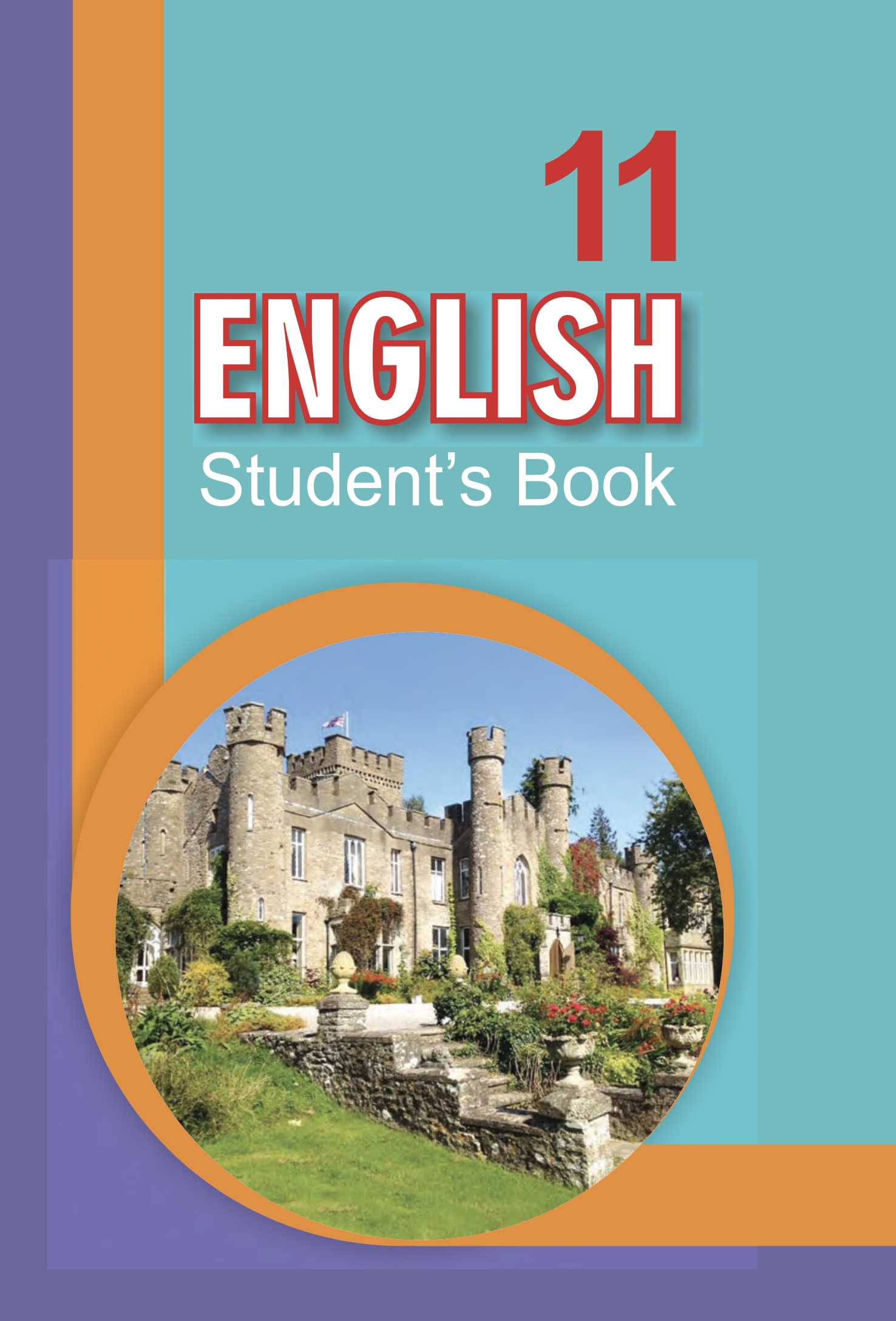
Авторы: Юхнель Н. В., Демченко Н. В., Романчук В. Р., Малиновская Е. А., Севрюкова Т. Ю., Бушуева Э. В., Наумова Е. Г., Яковчиц Т. Н.
Тип: Student's book (Учебник)
Издательство: Вышэйшая школа
Год издания: 2021 - 2025
Цвет обложки: бирюзовый, фиолетовый, оранжевый
ISBN: 978-985-06-3329-3
Допущено Министерством образования Республики Беларусь
Популярные ГДЗ в 11 классе






Unit 7. Tourism. Lesson 3. When in Rome - номер 2, страница 203.
 №1
№1
№2 (с. 203)
Условие. №2 (с. 203)
скриншот условия


2. a) Work in small groups, think about what kind of problems or difficulties people travelling abroad might face. Have you ever experienced any?
b) Read the first part of the article and compare it with your list. Are there any things you haven’t thought of?
While an amazing chance to explore a new place, travel is not without its ups and downs. Blogger Georgina Lawton – who shares her honest travel stories, tips and tricks on her blog
offers her experienced advice on what to do if disaster strikes on vacation.The benefits of travelling are obvious – you try new things, broaden your horizons, discover how to interact with different people and learn how to be alone. If you’re lucky, maybe you’ll even fall in love or learn a new skill along the way. But what happens when disaster strikes? Because it will at some point, trust me on that one; some travel problems are pretty much inevitable. Whether it’s getting sick, getting lost, or just getting fed-up with foreign climates, when you find yourself facing a travel problem or three, while hundreds of miles from home, it can push you to your limit and maybe even cause you to cut your trip short.
So that doesn’t happen to you, I’ve chosen six of the most common travel problems.
1. Gross accommodation: So the hotel of your dreams doesn’t quite match the images online. You arrive and find stain-covered carpets, a grime-covered bathroom and four cockroaches crawling way too close to your bed.
2. Getting sick: Falling ill in a country where access to healthcare may be limited or impossible can be scary. And if you don’t have the language skills to explain your symptoms to healthcare professionals sometimes getting sick abroad can even be life-threatening.
3. Feeling lonely: It is normal to feel lost and confused on the road especially if you’re doing it alone, but it is a travel problem, feeling lonely or homesick can turn a dream trip into a total nightmare.
4. Language barriers: Not being understood in foreign countries is discouraging. In fact, it’s making you feel more than a little alienated and frustrated.
5. Losing your stuff: You could have sworn you had your phone / passport / camera at that last bus terminal or hotel. And now you don’t.
6. Delayed / missed flights: Nobody likes being stranded in an airport because of a delayed flight or missed connection and it can be one of the most expensive travel problems to put right.
c) What do you think are the solutions?
d) Read the second part. Match the pieces of advice and possible solutions to the problems in the first part.
1: It’s never too late to brush up on your language skills; making even a very basic effort will endear you to locals and make your trip far more enjoyable in the process. Download a language app to practise anywhere, go to a local language school for a few hours a day and take each opportunity to immerse yourself in your new culture.
2: Be sure to keep in contact with your airline both before and on the day of flying. Check the status of the flight online and also through the airline app (if available) so you’re always aware of any changes to your itinerary.
3:Bite the bullet and get out there to start communicating with people if you want to feel less scary at first, learning a little of a way to make solid social connections with others. Most of the time people will be receptive if they can see you’re really trying.
4: Always pack a first-aid kit that is also equipped with any additional medication you might need to treat yourself. Also, check with your insurance provider about what’s covered and what you should be taking.
5: Planning ahead for possible losses is smart; make copies of your passport before you set off, store the address and number of your foreign embassy in your phone or bag in case of emergencies and always split-store your money.
6: Simply knowing your rights as a consumer before you set off can put everything right. If you booked through a tour operator, they are responsible for fixing your issue and you should contact them right away. Similarly, if it’s an Airbnb* that’s let you down, they offer assistance in finding a new place and / or a refund.
Adapted from liligo.com
* Airbnb – online platform which connects travellers and the people who want to rent out their homes.
e) Find the underlined words and phrases in the article to match the definitions below.
a) to improve your knowledge of something already learnt but partly forgotten;
b) to become completely involved in something;
c) a detailed plan or route of a journey;
d) to force yourself to do something unpleasant or difficult, or to be brave in a difficult situation;
e) to divide money into two or more parts and keep it in different places;
f) to start on a trip.
f) Complete the sentences with missing words from ex. 2e.
1. I always carefully plan the ... of my trip to make sure every-thing will go the way I planned.
2. Learning a language might be time-consuming but it’s totally worth it as it allows me to ... myself into new cultures.
3. Sometimes it’s necessary to ... and burst out of your comfort zone to get new experience and to overcome your weaknesses.
4. To ... the money when you travel is the best way to be on the safe side when you travel. I can swear by it.
5. I would like to try voluntourism one day, but I need to ... my language skills to do that.
6. If I had a chance to go film location tracing, I would ... im-mediately.
g) Change the sentences in ex. 2f to make them true for you. Compare with a partner. Try to give more information. How much do you have in common?
Решение. №2 (с. 203)


Решение 2. №2 (с. 203)


Решение 3. №2 (с. 203)
2 a) Поработайте в небольших группах, подумайте, с какими проблемами или трудностями могут столкнуться люди, путешествующие за границу. Вы когда-нибудь с таким сталкивались?
Ответ:
The article lists the following common travel problems:
1. Gross accommodation.
2. Getting sick.
3. Feeling lonely.
4. Language barriers.
5. Losing your stuff.
6. Delayed / missed flights.
Перевод:
В статье перечислены следующие распространенные проблемы в путешествиях:
1. Ужасное жилье.
2. Болезнь.
3. Чувство одиночества.
4. Языковые барьеры.
5. Потеря вещей.
6. Задержанные / пропущенные рейсы.
2 d) Прочитайте вторую часть. Соотнесите советы и возможные решения с проблемами из первой части.
Ответ:
Problem 1 (Gross accommodation) → Solution 6 (Know your rights as a consumer).
Problem 2 (Getting sick) → Solution 4 (Pack a first-aid kit).
Problem 3 (Feeling lonely) → Solution 3 (Bite the bullet and start communicating).
Problem 4 (Language barriers) → Solution 1 (Brush up on your language skills).
Problem 5 (Losing your stuff) → Solution 5 (Plan ahead for possible losses).
Problem 6 (Delayed / missed flights) → Solution 2 (Keep in contact with your airline).
Перевод:
Проблема 1 (Ужасное жилье) → Решение 6 (Знайте свои права как потребителя).
Проблема 2 (Болезнь) → Решение 4 (Соберите аптечку).
Проблема 3 (Чувство одиночества) → Решение 3 (Соберитесь с духом и начните общаться).
Проблема 4 (Языковые барьеры) → Решение 1 (Освежите свои языковые навыки).
Проблема 5 (Потеря вещей) → Решение 5 (Планируйте заранее на случай возможных потерь).
Проблема 6 (Задержанные / пропущенные рейсы) → Решение 2 (Поддерживайте связь с вашей авиакомпанией).
2 e) Найдите подчеркнутые слова и фразы в статье, чтобы соотнести их с определениями ниже.
Ответ:
| to brush up on | a) to improve your knowledge of something already learnt but partly forgotten |
| to immerse yourself in | b) to become completely involved in something |
| itinerary | c) a detailed plan or route of a journey |
| Bite the bullet | d) to force yourself to do something unpleasant or difficult, or to be brave in a difficult situation |
| split-store | e) to divide money into two or more parts and keep it in different places |
| set off | f) to start on a trip |
Перевод:
| to brush up on (освежить знания) | а) улучшить свои знания в чем-то уже изученном, но частично забытом |
| to immerse yourself in (погрузиться) | б) полностью погрузиться во что-то |
| itinerary (маршрут) | в) подробный план или маршрут путешествия |
| Bite the bullet (собраться с духом, стиснуть зубы) | г) заставить себя сделать что-то неприятное или трудное, или быть смелым в сложной ситуации |
| split-store (разделять и хранить в разных местах) | д) разделить деньги на две или более части и хранить их в разных местах |
| set off (отправиться) | е) отправиться в путешествие |
2 f) Дополните предложения пропущенными словами из упр. 2e.
Ответ:
1. I always carefully plan the itinerary of my trip to make sure everything will go the way I planned.
2. Learning a language might be time-consuming but it’s totally worth it as it allows me to immerse myself into new cultures.
3. Sometimes it’s necessary to bite the bullet and burst out of your comfort zone to get new experience and to overcome your weaknesses.
4. To split-store the money when you travel is the best way to be on the safe side when you travel. I can swear by it.
5. I would like to try voluntourism one day, but I need to brush up my language skills to do that.
6. If I had a chance to go film location tracing, I would set off immediately.
Перевод:
1. Я всегда тщательно планирую маршрут своей поездки, чтобы убедиться, что все пойдет так, как я запланировал.
2. Изучение языка может занимать много времени, но это того стоит, так как позволяет мне погрузиться в новые культуры.
3. Иногда необходимо собраться с духом и выйти из зоны комфорта, чтобы получить новый опыт и преодолеть свои слабости.
4.Разделять и хранить в разных местах деньги во время путешествия — лучший способ обезопасить себя. Я могу это подтвердить.
5. Я бы хотел однажды попробовать волонтерский туризм, но для этого мне нужно освежить свои языковые навыки.
6. Если бы у меня была возможность отправиться на поиски мест съемок фильмов, я бы отправился немедленно.
2 g) Измените предложения из упр. 2f так, чтобы они были правдивы для вас. Сравните с партнером. Постарайтесь дать больше информации. Что у вас общего?
Ответ:
1. I rarely plan a detailed itinerary, as I prefer to be more spontaneous during my trips.
2. For me, the best way to immerse myself in a new culture is to try the local street food.
3. I had to bite the bullet and speak French on my last trip to Paris, even though I was nervous.
4. I always split-store my cash and cards between my wallet and my hotel safe.
5. I need to brush up on my Spanish before my next vacation.
6. If I could, I would set off on a backpacking trip through Southeast Asia right now.
Перевод:
1. Я редко составляю подробный маршрут, так как предпочитаю быть более спонтанным во время своих поездок.
2. Для меня лучший способ погрузиться в новую культуру — это пробовать местную уличную еду.
3. Мне пришлось собраться с духом и говорить по-французски во время моей последней поездки в Париж, хотя я и нервничал.
4. Я всегда разделяю и храню в разных местах свои наличные и карты между кошельком и сейфом в отеле.
5. Мне нужно освежить свой испанский перед следующим отпуском.
6. Если бы я мог, я бы прямо сейчас отправился в путешествие с рюкзаком по Юго-Восточной Азии.
Другие задания:

Помогло решение? Оставьте отзыв в комментариях ниже.
Присоединяйтесь к Телеграм-группе @gdz_by_belarus
ПрисоединитьсяМы подготовили для вас ответ c подробным объяснением домашего задания по английскому языку за 11 класс, для упражнения номер 2 расположенного на странице 203 к Учебник (Student's book) 2021 года издания для учащихся школ и гимназий.
Теперь на нашем сайте ГДЗ.ТОП вы всегда легко и бесплатно найдёте условие с правильным ответом на вопрос «Как решить ДЗ» и «Как сделать» задание по английскому языку к упражнению №2 (с. 203), авторов: Юхнель (Наталья Валентиновна), Демченко (Наталья Валентиновна), Романчук (Вероника Романовна), Малиновская (Елена Александровна), Севрюкова (Татьяна Юрьевна), Бушуева (Эдите Владиславовна), Наумова (Елена Георгиевна), Яковчиц (Т Н), учебного пособия издательства Вышэйшая школа.