 gdz.by


Номер 1, страница 41 - гдз по английскому языку 10 класс учебник Юхнель, Наумова
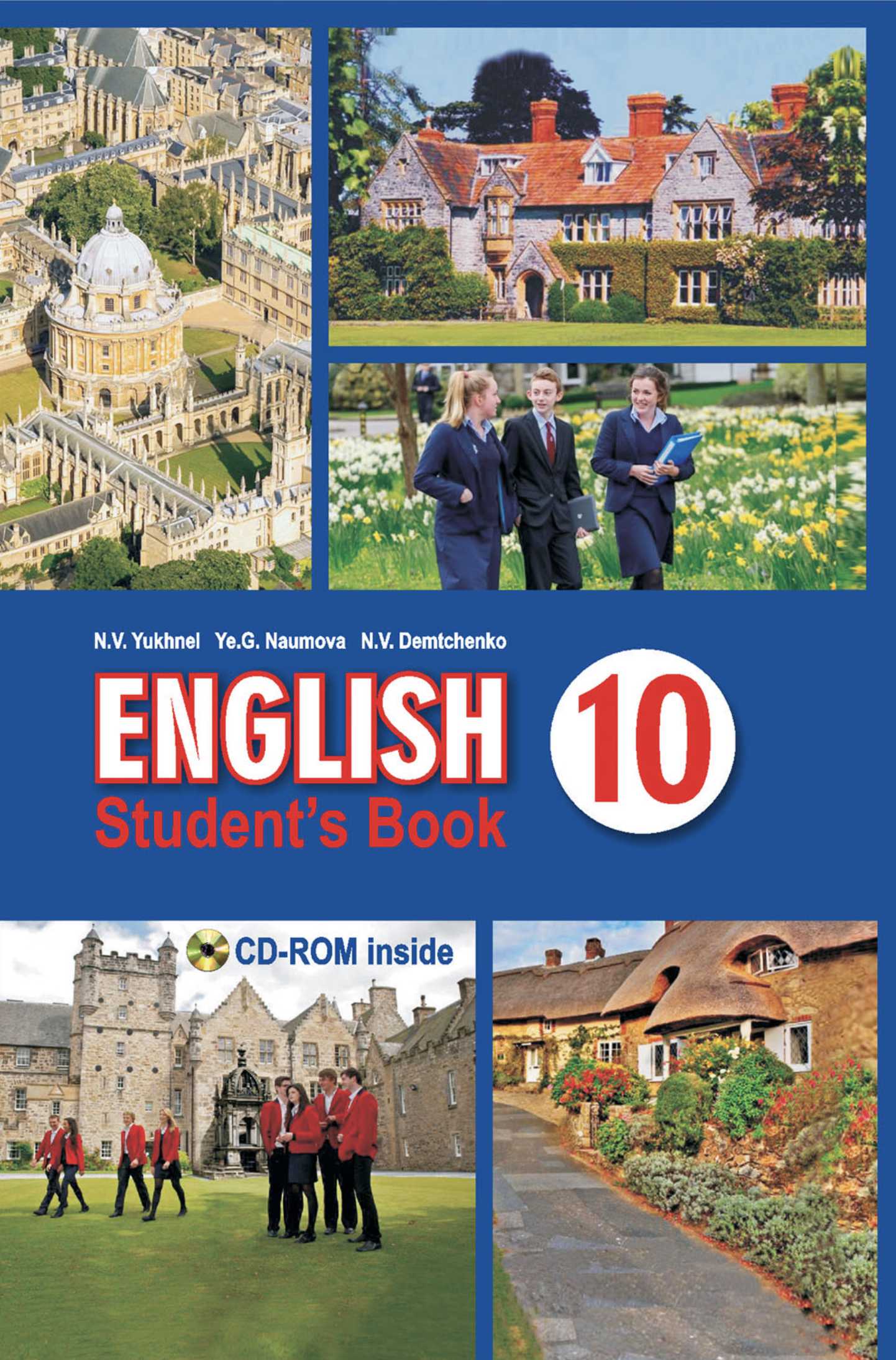
Авторы: Юхнель Н. В., Наумова Е. Г., Демченко Н. В.
Тип: Student's book (Учебник)
Издательство: Вышэйшая школа
Год издания: 2019 - 2025
Цвет обложки: синий
ISBN: 978-985-06-3097-1, 978-985-06-3098-8 (отд. изд)
Допущено Министерством образования Республики Беларусь
Популярные ГДЗ в 10 классе


Unit 2. Education. Lesson 3. Primary at 5, secondary at 11 … - номер 1, страница 41.
 №6
№6
№1 (с. 41)
Условие. №1 (с. 41)
скриншот условия


1. a) Answer the questions.
1. At what age do the children study at a primary school in Be-larus?
2. At what age do the children study at a primary school in Great Britain?
3. When do they move to secondary school?
4. What subjects do they study there?
5. When do they have exams?
b) Read the article. Answer the ques-tions 2-4 from ex. 1 about Britain.
private school
state (comprehensive) school
primary school classroom
secondary school classroom
Children’s education in England is normally divided into two separate stages. They begin with primary education at the age of five and this usually lasts until they are eleven. Then they move to secondary school, there they stay until they reach six-teen, seventeen or eighteen years of age.
The main categories of schools are:
state schools, free to all children between the ages of 5–16;
independent schools, (Private / Public Schools). Parents pay for their children’s’ education.
State Schools
About 93% of the children in England and Wales go to state schools. State schools are non fee-paying, funded from taxes and most are organised by Local Authorities (LA).
Parents are expected to make sure that their child has a pen, pencil, ruler, etc. but the cost of other more specialised equip-ment, books, examination fees are covered by the school.
Parents are, however, expected to pay for their child’s school uniform and items of sports wear. Sometimes parents may ask for voluntary contribu-tions for school time activities – but no pupil may be left out of an activity if their parents canno or do not pay.
Primary schools (5–11 year olds)
In the UK, the first level of edu-cation is known as primary edu-cation. These are almost always mixed sex, and usually located close to the child’s home. Children are with the same group throughout the day, and one teacher has responsibility for most of the work they do.
Parents are asked to help their children, particularly with reading and writing, and small amounts of homework are set to all children, even during the early years at school.
Secondary schools (11–16 year olds)
At the age of 11 most children transfer to a nearest secondary school, though the law allows parents in England and Wales to choose other schools too. A place has to be offered at the par-ents’ preferred school unless the school has more applicants than places; in that case it will admit the children who have the highest priority.
Most secondary schools cater for both sexes. They are much larger than primary schools.
Nearly 88 per cent of secondary school pupils in England and Wales go to comprehensive schools. These take children of all abilities and provide a wide range of secondary education for all children in a district from 11 to 16 or 18. All children in Scotland go to non-selective schools.
Grammar schools are selective; they offer academically ori-ented general education. Entrance is based on a test of ability, usually at 11 (11+). Grammar schools are single sexed schools i.e. children either go to a boy’s grammar school or a girls’ grammar school. There are grammar schools in Northern Ire-land and some parts of England.
Fee Paying Schools
Independent Schools
7% of the children in England go to independent schools. Inde-pendent schools are known as private or public schools. Parents pay for their children to attend these schools.
A preparatory school (7 to 13 years) is a school to pre-pare pupils to go to a public school.
A public school (11 or 13 to 18 years) is an independent sec-ondary school. Public schools in England are not run by the government. The entrance exams used by most public schools are known as Common Entrance exams and are taken at the age of 11 (girls) or 13 (boys). The most famous public schools are Eton, Harrow and Winchester.
Решение. №1 (с. 41)


Решение 2. №1 (с. 41)


Решение 3. №1 (с. 41)
b) Прочитайте статью. Ответьте на вопросы 2-4 из упр. 1 о Британии.
2. В каком возрасте дети учатся в начальной школе в Великобритании?
3. Когда они переходят в среднюю школу?
4. Какие предметы они там изучают?
Ответ:
2. Children in Great Britain begin with primary education at the age of five and this usually lasts until they are eleven.
3. They move to secondary school at the age of eleven.
4. The provided text does not specify what subjects they study.
Перевод:
2. Дети в Великобритании начинают начальное образование в возрасте пяти лет, и оно обычно длится до одиннадцати лет.
3. Они переходят в среднюю школу в возрасте одиннадцати лет.
4. В представленном тексте не уточняется, какие предметы они изучают.
Другие задания:

Помогло решение? Оставьте отзыв в комментариях ниже.
Присоединяйтесь к Телеграм-группе @gdz_by_belarus
ПрисоединитьсяМы подготовили для вас ответ c подробным объяснением домашего задания по английскому языку за 10 класс, для упражнения номер 1 расположенного на странице 41 к Учебник (Student's book) 2019 года издания для учащихся школ и гимназий.
Теперь на нашем сайте ГДЗ.ТОП вы всегда легко и бесплатно найдёте условие с правильным ответом на вопрос «Как решить ДЗ» и «Как сделать» задание по английскому языку к упражнению №1 (с. 41), авторов: Юхнель (Наталья Валентиновна), Наумова (Елена Георгиевна), Демченко (Наталья Валентиновна), учебного пособия издательства Вышэйшая школа.