 gdz.by


Номер 2, страница 47 - гдз по английскому языку 10 класс учебник Юхнель, Наумова
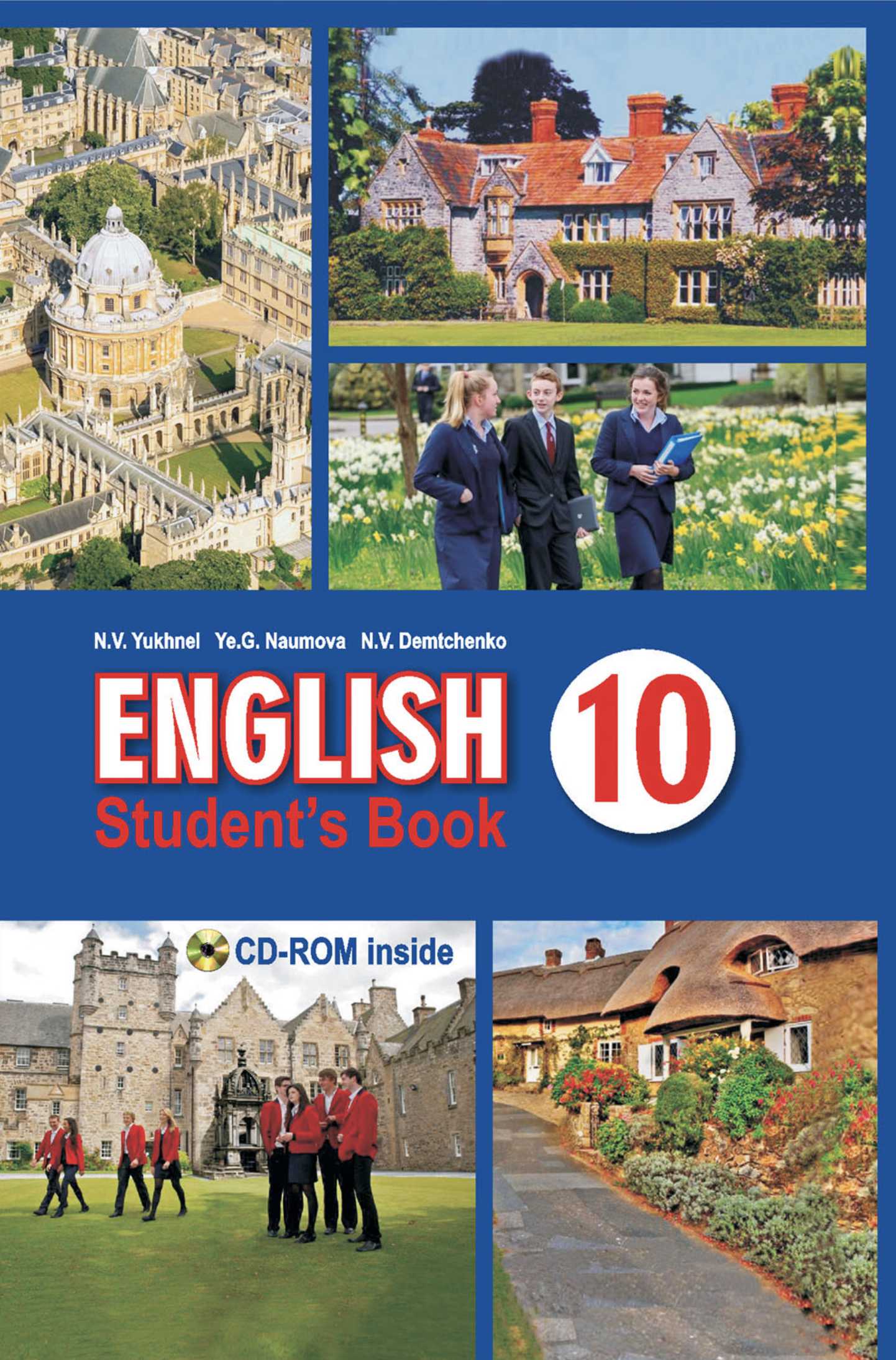
Авторы: Юхнель Н. В., Наумова Е. Г., Демченко Н. В.
Тип: Student's book (Учебник)
Издательство: Вышэйшая школа
Год издания: 2019 - 2025
Цвет обложки: синий
ISBN: 978-985-06-3097-1, 978-985-06-3098-8 (отд. изд)
Допущено Министерством образования Республики Беларусь
Популярные ГДЗ в 10 классе




Unit 2. Education. Lesson 4. Exams – to sit and pass with flying colours - номер 2, страница 47.
 №1
№1
№2 (с. 47)
Условие. №2 (с. 47)
скриншот условия


2. a) Read the information from Exams helpline and answer: 1) At what age do schoolchildren finish compulsory education? 2) What exams do they take and at what age? 3) What are compulsory subjects? 4) What are optional subjects?
Q 1. What exams do people take in Great Britain?
A 1. Students in England take GCSE (General Certificate of Secondary Education) exams at the end of the final year of their compulsory school education. So, at 16 students can either finish school and get a job, or go on to further studies.
Q 2. And if you want to apply to university?
A 2. Those who want to apply to university stay on at school or attend college for a two-year A-Level course. Then they apply for any degree course at any university, if they meet the entry requirements.
Q 3. What are GCSEs?
A 3. GCSEs are the main examinations taken by UK students to complete the first stage of secondary or high school education.
Q 4. What subjects can you study?
A 4. There is a broad range of subjects to choose from. Some subjects are compulsory and others optional. Compulsory (or core) subjects: Mathematics, English, and Computer Studies. Optional subjects: Accounting, Art, Biology, Business Studies, Chemistry, Economics, Geography, Natural Economy and Physics.
Q 5. What do GCSEs consist of?
A 5. Depending on which subjects you choose, you'll receive lessons taught in the classroom or laboratory. In some cases you'll also take part in educational field trips. You'll be expected to complete homework and independent or group research projects. Student's progress is regularly tested.
Q 6. How are you assessed?
A 6. For each GCSE subject we receive a final grade from A* (highest) to G. GCSE grades show achievement at secondary school level. Some universities specify minimum grades in certain subjects as part of their entrance requirements. Later on, some companies will consider your application if you have achieved specific grades in particular subjects.
Q 7. What are A-Levels?
A 7. A-levels are studied between the ages of 16-18. They are the most popular route into UK higher education institutions. To enter one of the top UK universities you'll usually need 3 or 4 good A-Level grades.
Q 8. What subjects can you study?
A 8. Those who want to specialize in Science, Medicine and Engineering take Maths, Physics, Chemistry and Biology. Those who decide to study Business, Humanities and Law take Maths, Economics, Accountancy, Business Studies, English Literature and Psychology.
Q 9. What marks do you get?
A 9. For each A-Level subject you take, you'll receive a grade from A to E. You can translate your grades into UCAS (Universities & Colleges Admissions Service) tariff points as follows.
A-Levels: A* – 140, A – 120, B – 100, C – 80, D – 60, E – 40.
Many companies will also evaluate your application for a job on the basis of your A-Level grades, as well as your degree.
Q 10. Is it difficult to study for A-level?
A 10. It’s not easy but in addition to academic study, students develop independent thinking, study skills, team working, research and analysis. It will also help you decide what you would like to study at degree level.
b) Read the questions and answers above again and mark the following statements as true or false.
1. Students in England take GCSE (General Certificate of Secondary Education) when they are 18.
2. Compulsory subjects are Mathematics, English, and Computer Studies.
3. Students sit A-level exams at the age of 18.
4. To enter one of the top UK universities you'll usually need 3 or 4 good A-Level grades.
5. For each A-Level subject you take, you'll receive a grade from A to D.
6. Studying for A-level students develop important competences: independent thinking, study skills, team working, research and analysis.
Решение. №2 (с. 47)


Решение 2. №2 (с. 47)


Решение 3. №2 (с. 47)
2. a) Прочитайте информацию из раздела "Горячая линия по экзаменам" и ответьте: 1) В каком возрасте школьники заканчивают обязательное образование? 2) Какие экзамены они сдают и в каком возрасте? 3) Какие предметы являются обязательными? 4) Какие предметы являются факультативными?
Ответ:
1) Schoolchildren finish their compulsory education at the age of 16.
2) They take GCSE (General Certificate of Secondary Education) exams at the age of 16.
3) Compulsory subjects are Mathematics, English, and Computer Studies.
4) Optional subjects are Accounting, Art, Biology, Business Studies, Chemistry, Economics, Geography, Natural Economy and Physics.
Перевод:
1) Школьники заканчивают обязательное образование в возрасте 16 лет.
2) Они сдают экзамены GCSE (Общий сертификат о среднем образовании) в возрасте 16 лет.
3) Обязательными предметами являются математика, английский язык и информатика.
4) Факультативными предметами являются бухгалтерский учет, искусство, биология, бизнес-исследования, химия, экономика, география, природная экономика и физика.
b) Прочитайте вопросы и ответы выше еще раз и отметьте следующие утверждения как верные или неверные.
Ответ:
1. Students in England take GCSE (General Certificate of Secondary Education) when they are 18. – False
2. Compulsory subjects are Mathematics, English, and Computer Studies. – True
3. Students sit A-level exams at the age of 18. – True
4. To enter one of the top UK universities you’ll usually need 3 or 4 good A-Level grades. – True
5. For each A-Level subject you take, you’ll receive a grade from A to D. – False
6. Studying for A-level students develop important competences: independent thinking, study skills, team working, research and analysis. – True
Перевод:
1. Учащиеся в Англии сдают GCSE (Общий сертификат о среднем образовании), когда им исполняется 18 лет. – Неверно
2. Обязательными предметами являются математика, английский язык и информатика. – Верно
3. Учащиеся сдают экзамены A-level в возрасте 18 лет. – Верно
4. Чтобы поступить в один из лучших университетов Великобритании, вам обычно понадобятся 3 или 4 хорошие оценки A-Level. – Верно
5. За каждый сданный предмет A-Level вы получите оценку от A до D. – Неверно
6. Обучение на A-level развивает у студентов важные компетенции: независимое мышление, учебные навыки, работа в команде, исследование и анализ. – Верно
Другие задания:

Помогло решение? Оставьте отзыв в комментариях ниже.
Присоединяйтесь к Телеграм-группе @gdz_by_belarus
ПрисоединитьсяМы подготовили для вас ответ c подробным объяснением домашего задания по английскому языку за 10 класс, для упражнения номер 2 расположенного на странице 47 к Учебник (Student's book) 2019 года издания для учащихся школ и гимназий.
Теперь на нашем сайте ГДЗ.ТОП вы всегда легко и бесплатно найдёте условие с правильным ответом на вопрос «Как решить ДЗ» и «Как сделать» задание по английскому языку к упражнению №2 (с. 47), авторов: Юхнель (Наталья Валентиновна), Наумова (Елена Георгиевна), Демченко (Наталья Валентиновна), учебного пособия издательства Вышэйшая школа.