 gdz.by


Номер 3, страница 62, часть 2 - гдз по английскому языку 10 класс учебник Демченко, Юхнель
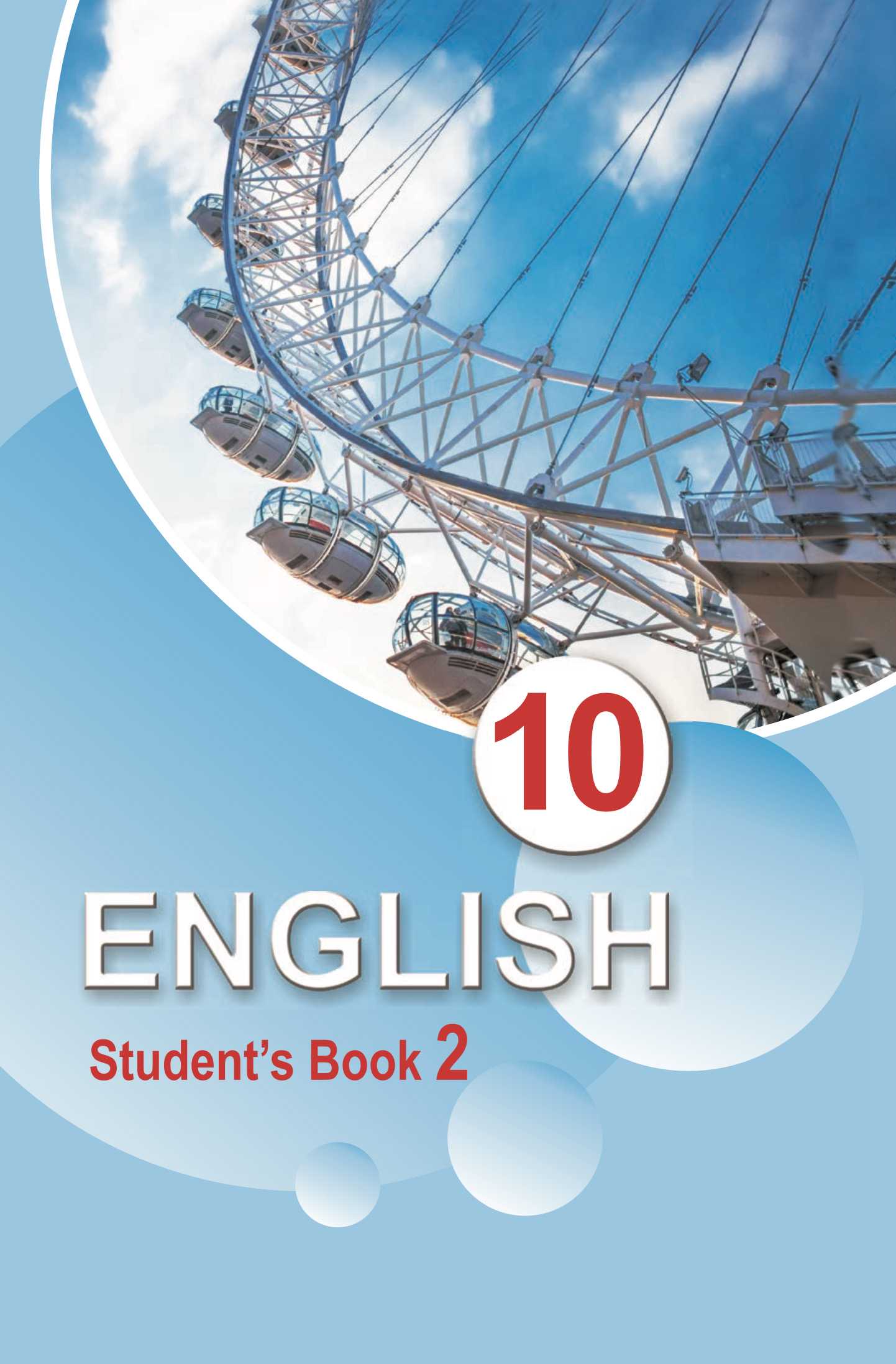
Авторы: Демченко Н. В., Юхнель Н. В., Севрюкова Т. Ю., Бушуева Э. В., Лапицкая Л. М.
Тип: Student's book (Учебник)
Издательство: Вышэйшая школа
Год издания: 2021 - 2025
Уровень обучения: повышенный
Часть: 2
Цвет обложки: голубой
Допущено Министерством образования Республики Беларусь
Популярные ГДЗ в 10 классе




Часть 2. Unit 6. Science. Lesson 5. Physics rules! - номер 3, страница 62.
 №2
№2
№3 (с. 62)
Условие. №3 (с. 62)
скриншот условия


3. a. Read the task and the article a student wrote for the school website about a famous physicist and Nobel Laureate born in Belarus. Add the facts about the scientist to the table in ex. 2.
homo- (Greek) – same; E.g. homostructure, homophone, homonym, homogenous;
hetero- (Greek) – opposite, different; E.g. heterostructure;
semi- (Latin) – half; E.g. semiconductor, semiformal style, semi-finals, a semi-detached house
A Russian Nobel Prize winner from Belarus with a French name
A. Have you ever heard this joke: “If you want to receive the Nobel Prize, never use the doorbell, just knock”? This is as close as I can get to receiving the Nobel Prize now. What about you? Yet, more than 600 scientists have already been awarded the prize between 1901 and 2020, including 215 physicists. Among them is my fellow countryman, a scientist born and bred in Belarus – Zhores Alferov.
B. He was originally from Vitebsk – the world-famous painter Mark Chagall’s hometown and the workplace of Kazimir Malevich – the creator of the iconic Black Square. However, his passion was not art but science. His father – a dockworker – and his mother – a librarian – named him after a French socialist leader Jean Jaurès and his brother – after Karl Marx. Marx perished in World War II at the age of 20 and Zhores lived to be 88 and to receive the 2000 physics Nobel Prize. Understandably enough, he remembered his brother at the Nobel Prize ceremony in Stockholm.
C. Obviously, you are wondering what he did to be awarded the prize. Let me ask you first if you are familiar with LED screens, optically read disks and fibre-optic technology behind cellphones. All that has been made possible thanks to the discoveries made by Zhores Alferov and Herbert Kroemer who shared the prize with him. Both scientists worked independently in the USSR and the USA, and pioneered the development of the so-called heteroscstucture1 semiconductor2. The existing semiconductors had been using a homostructure1 – silicon, but Alferov discovered that a “sandwich” of different materials (heterostructure) could become a breakthrough. Hardly had he made this discovery, when he presented it to his fellow physicists in Saint Petersburg, where he was working at that time. The presentation of his results “produced the impression of an exploded bomb”, as he said in the acceptance speech in Sweden. He added that physics had brought both benefits and disasters to the humanity in the 20th century. “Knowledge is power, but power must be based on knowledge”. When asked in an interview if he had a happy life, he replied “I am very happy that I started the research early and got significant results. Yes, I’m a happy person”.
D. Zhores Alferov is an inspiration for me as I am keen on physics and my ambition is to go to Stockholm one day and become as happy as he was in 2000 after receiving the Nobel Prize. Do you believe I can do it? Do you believe you can?
b. Explain the title of the article and the joke about the door bell.
c. Write an article for your school website about a famous scientist from your country that inspired you. Give details about his life and achievements. Why is this person an inspiration for you? Use between 140–190 words.
Решение 2. №3 (с. 62)
3. a. Прочитайте задание и статью, которую студент написал для школьного сайта о знаменитом физике и Нобелевском лауреате, родившемся в Беларуси. Добавьте факты об ученом в таблицу из упр. 2.
3. b. Объясните заголовок статьи и шутку про дверной звонок.
3. c. Напишите статью для вашего школьного сайта о знаменитом ученом из вашей страны, который вас вдохновил. Расскажите подробности о его жизни и достижениях. Почему этот человек является для вас вдохновением? Используйте от 140 до 190 слов.
Ответ:
3. a.
| Fact Category | Information about Zhores Alferov |
| Name | Zhores Alferov |
| Origin | Born and bred in Belarus (Vitebsk) |
| Profession | Physicist |
| Major Award | 2000 Nobel Prize in Physics |
| Key Discovery | Pioneered the development of heterostructure semiconductors. |
| Impact | His discoveries enabled technologies like LED screens, optical disks, and fibre-optics. |
| Family | His father was a dockworker, his mother a librarian. Named after French socialist Jean Jaurès. |
3. b.
The title "A Russian Nobel Prize winner from Belarus with a French name" is explained by three facts from the text. He is associated with Russian science as he worked in the USSR and presented his work in Saint Petersburg. He was born and raised in Belarus. His first name, Zhores, was given in honour of the French socialist leader Jean Jaurès.
The joke "If you want to receive the Nobel Prize, never use the doorbell, just knock" is a pun. The name "Nobel" sounds like "no bell". Therefore, "no bell" means one should not use the doorbell, but knock instead.
3. c.
One of the scientists from my country who truly inspires me is Dmitri Mendeleev, the genius behind the Periodic Table of Elements. Born in Siberia, he had a profound passion for chemistry that would change the world.
His most iconic achievement, the Periodic Table, was not just a list. It was a revolutionary system that organized elements by their atomic weight and properties. Legend says the arrangement came to him in a dream, showing his complete dedication. This table was so brilliant that it even predicted the existence and properties of elements that hadn't been discovered yet! It became the fundamental framework for modern chemistry and physics.
Mendeleev is an inspiration because he saw order in chaos. He believed in the underlying principles of the universe and worked tirelessly to uncover them. His story teaches me that great discoveries come from deep knowledge, perseverance, and a bit of creative insight. His work is a testament to the power of human intellect.
Перевод:
3. a.
| Категория факта | Информация о Жоресе Алфёрове |
| Имя | Жорес Алфёров |
| Происхождение | Родился и вырос в Беларуси (Витебск) |
| Профессия | Физик |
| Главная награда | Нобелевская премия по физике 2000 года |
| Ключевое открытие | Был пионером в разработке полупроводниковых гетероструктур. |
| Влияние | Его открытия сделали возможными такие технологии, как светодиодные экраны, оптические диски и волоконная оптика. |
| Семья | Отец — докер, мать — библиотекарь. Назван в честь французского социалиста Жана Жореса. |
3. b.
Заголовок "Российский нобелевский лауреат из Беларуси с французским именем" объясняется тремя фактами из текста. Он ассоциируется с российской наукой, так как работал в СССР и представлял свою работу в Санкт-Петербурге. Он родился и вырос в Беларуси. Его имя, Жорес, было дано в честь французского лидера-социалиста Жана Жореса.
Шутка "Если хочешь получить Нобелевскую премию, никогда не пользуйся дверным звонком, просто стучи" — это игра слов. Имя "Nobel" созвучно с "no bell" (нет звонка). Поэтому "no bell" означает, что не следует пользоваться дверным звонком, а вместо этого нужно стучать.
3. c.
Один из ученых моей страны, который по-настоящему меня вдохновляет, — это Дмитрий Менделеев, гений, создавший Периодическую таблицу элементов. Родившись в Сибири, он питал глубокую страсть к химии, которая изменила мир.
Его самое знаковое достижение, Периодическая таблица, была не просто списком. Это была революционная система, которая упорядочила элементы по их атомному весу и свойствам. Легенда гласит, что эта система пришла к нему во сне, что свидетельствует о его полной самоотдаче. Эта таблица была настолько гениальной, что даже предсказала существование и свойства еще не открытых элементов! Она стала фундаментальной основой для современной химии и физики.
Менделеев — это вдохновение, потому что он видел порядок в хаосе. Он верил в основополагающие принципы вселенной и неустанно работал, чтобы их раскрыть. Его история учит меня, что великие открытия рождаются из глубоких знаний, настойчивости и толики творческого прозрения. Его труд — это свидетельство мощи человеческого интеллекта.
Другие задания:

Помогло решение? Оставьте отзыв в комментариях ниже.
Присоединяйтесь к Телеграм-группе @gdz_by_belarus
ПрисоединитьсяМы подготовили для вас ответ c подробным объяснением домашего задания по английскому языку за 10 класс, для упражнения номер 3 расположенного на странице 62 для 2-й части к Учебник (Student's book) 2021 года издания для учащихся школ и гимназий.
Теперь на нашем сайте ГДЗ.ТОП вы всегда легко и бесплатно найдёте условие с правильным ответом на вопрос «Как решить ДЗ» и «Как сделать» задание по английскому языку к упражнению №3 (с. 62), авторов: Демченко (Наталья Валентиновна), Юхнель (Наталья Валентиновна), Севрюкова (Татьяна Юрьевна), Бушуева (Эдите Владиславовна), Лапицкая (Людмила Михайловна), 2-й части повышенный уровень обучения учебного пособия издательства Вышэйшая школа.