 gdz.by


Номер 2, страница 189 - гдз по английскому языку 11 класс учебник Юхнель, Демченко
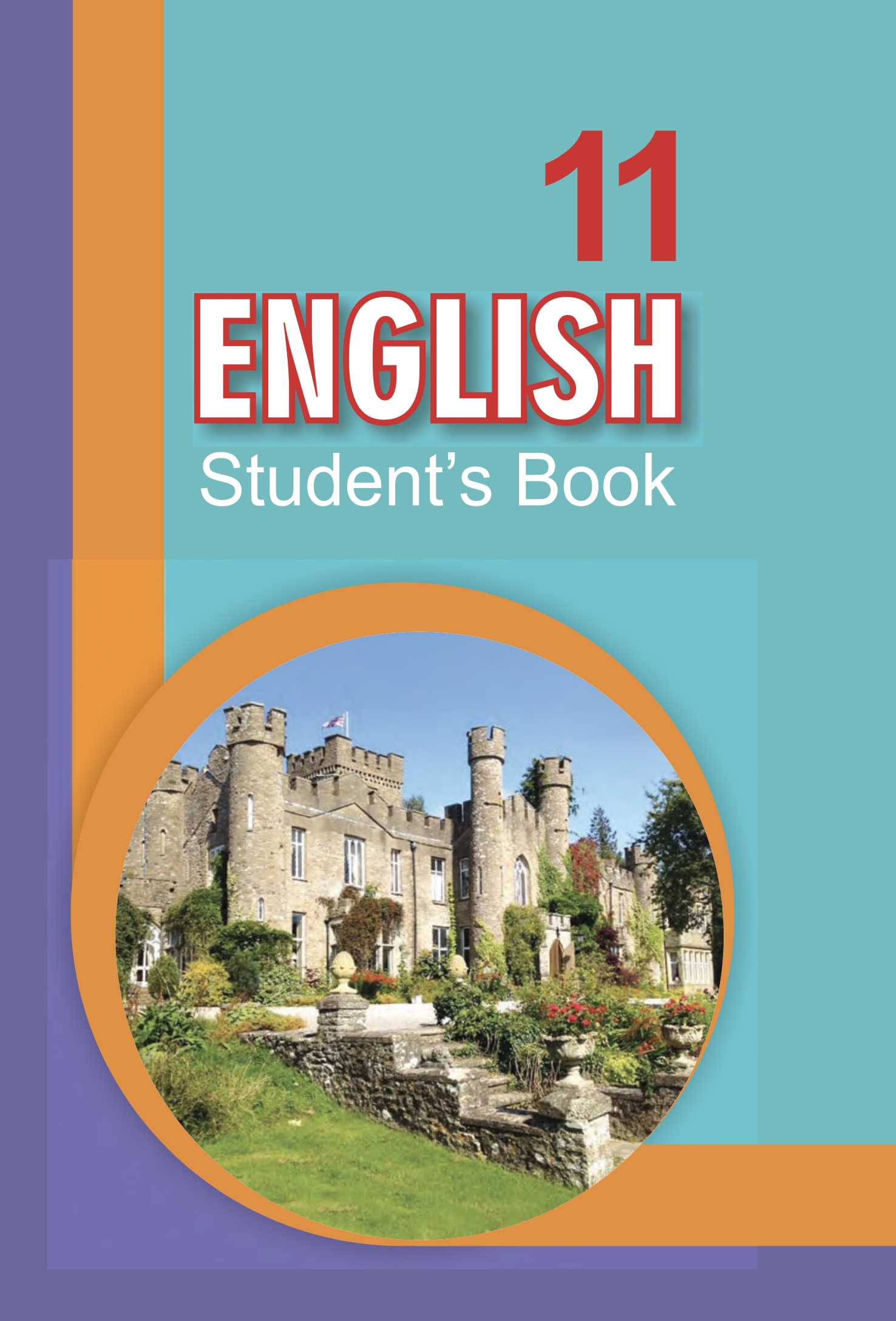
Авторы: Юхнель Н. В., Демченко Н. В., Романчук В. Р., Малиновская Е. А., Севрюкова Т. Ю., Бушуева Э. В., Наумова Е. Г., Яковчиц Т. Н.
Тип: Student's book (Учебник)
Издательство: Вышэйшая школа
Год издания: 2021 - 2025
Цвет обложки: бирюзовый, фиолетовый, оранжевый
ISBN: 978-985-06-3329-3
Допущено Министерством образования Республики Беларусь
Популярные ГДЗ в 11 классе





Unit 6. Dot by. Lesson 9. I, robot - номер 2, страница 189.
 №1
№1
№2 (с. 189)
Условие. №2 (с. 189)
скриншот условия


2. a) These laws come from the book I, Robot by Isaac Asimov.
Read the Introduction. Answer the questions below.
1. Who tells the story? 2. What is Doctor Susan Calvin?
3. Why does the author talk to Doctor Susan Calvin?
b) Before you read a part of the story look at the words you need to understand it better.
cybernetics (n.) – the use of technology to make copies of natural things.
PhD (n.) – Doctor of Philosophy: the highest university degree.
creature (n.) – anything that lives.
human-interest story – a story in the news that interests people because it is about someone’s life and / or life experience.
I, Robot
after Isaac Asimov
I looked at my notes and I didn’t like them…
Susan Calvin was born in 1982, they said, which made her seventy-five now. Everyone knew that. So, U. S. Robot and Mechanical Men, Inc. was seventy-five also. It had been in the year of Dr.* Calvin’s birth that Lawrence Robertson first took out incorporation papers for what one day became the strangest industrial giant in history.
At the age of twenty, Susan Calvin was part of the Psycho-Math seminar where Dr. Alfred Lanning from U. S. Robots demonstrated the first mobile robot with a voice. It was a large, clumsy unbeautiful robot, smelling of machine-oil for the mines on Mercury. But it could speak and make sense.
Susan said nothing at that seminar. But as she watched and listened, she felt some kind of enthusiasm.
She graduated from Columbia in 2003 with a bachelor’s degree and began her work in cybernetics. She learned to construct “brains” on paper.
In 2008, she got her PhD and joined United States Robots as a “Robopsychologist”, becoming the first great practitioner of a new science. For fifty years, she watched the direction of human progress change and develop fast. Now she was retiring.
That, generally, was what I had. In short I had her professional life in detail. But that wasn’t what I wanted. I needed more than that for my articles. Much more.
I told her so.
“Dr. Calvin,” I said, “in the mind of the public you and U. S. Robots are identical. Your retirement will end an era and–”
“You want the human-interest story?” She didn’t smile at me. I don’t think she ever smiles. But her eyes were sharp, though not angry.
“That’s right.”
“Human interest out of robots? A contradiction.”
“No, doctor. Out of you.”
“Well, I’ve been called a robot myself. Surely, they’ve told you I’m not human.”
She got up from her chair. I followed her to the window.
The offices and factories of U. S. Robots were a small city; big and well-planned.
“When I first came here,” she said, “I had a little room in a building right there where the fire-house is now.” She pointed. “It was destroyed before you were born. I shared it with three others. We built our robots all in one building. Now look at us.”
“Fifty years,” I said, “is a long time.”
“Not when you’re looking back at them. You wonder how they disappeared so quickly.”
“How old are you?”
“Thirty-two,” I said.
“Then you don’t remember a world without robots. There was a time when humanity faced the universe alone and without a friend. Now he has creatures to help him; stronger creatures than himself, more faithful, more useful, and absolutely devoted to him. Mankind is no longer alone. Have you ever thought of it that way?”
“I’m afraid I haven’t.”
“To you, a robot is a robot. Electricity and metal. Human-made! If necessary, human-destroyed! But you haven’t worked with them, so you don’t know them. They’re a cleaner race than we are.”
“We’d like to hear some of the things you could tell us. Our audience should know what you could tell them on robots.”
She didn’t hear me, but she was moving in the right direction.
“We sold robots for Earth-use then. That was when robots couldn’t talk. Afterward, they became more human and opposition began. The labor unions, of course, opposed robot competition for human jobs, and religious opinion was very negative. It was all quite ridiculous. And yet there it was.”
*Am. E. – Dr.; Br. E. – Dr
Решение. №2 (с. 189)


Решение 2. №2 (с. 189)


Решение 3. №2 (с. 189)
2. a)
1. Кто рассказывает историю?
2. Кем является доктор Сьюзен Кэлвин?
3. Почему автор разговаривает с доктором Сьюзен Кэлвин?
Ответ:
1. The story is told by a journalist who is interviewing Dr. Calvin for his articles.
2. Doctor Susan Calvin is a Robopsychologist.
3. The author talks to Doctor Susan Calvin to get a human-interest story about her.
Перевод:
1. Историю рассказывает журналист, который берет интервью у доктора Кэлвин для своих статей.
2. Доктор Сьюзен Кэлвин — робопсихолог.
3. Автор разговаривает с доктором Сьюзен Кэлвин, чтобы получить о ней материал в жанре "жизненной истории".
Другие задания:

Помогло решение? Оставьте отзыв в комментариях ниже.
Присоединяйтесь к Телеграм-группе @gdz_by_belarus
ПрисоединитьсяМы подготовили для вас ответ c подробным объяснением домашего задания по английскому языку за 11 класс, для упражнения номер 2 расположенного на странице 189 к Учебник (Student's book) 2021 года издания для учащихся школ и гимназий.
Теперь на нашем сайте ГДЗ.ТОП вы всегда легко и бесплатно найдёте условие с правильным ответом на вопрос «Как решить ДЗ» и «Как сделать» задание по английскому языку к упражнению №2 (с. 189), авторов: Юхнель (Наталья Валентиновна), Демченко (Наталья Валентиновна), Романчук (Вероника Романовна), Малиновская (Елена Александровна), Севрюкова (Татьяна Юрьевна), Бушуева (Эдите Владиславовна), Наумова (Елена Георгиевна), Яковчиц (Т Н), учебного пособия издательства Вышэйшая школа.